How AI is Transforming Everyday Life: Latest Trends, Earning Opportunities, and Practical Uses in 2025
Artificial intelligence is no longer a futuristic concept limited to research labs; it has woven itself into the fabric of daily routines, influencing how we live, work, and earn. In 2025, AI tools are accessible through smartphones, smart speakers, and wearable devices, delivering personalized experiences that were once unimaginable. This article explores the latest trends shaping everyday life, highlights emerging earning opportunities powered by AI, and presents practical applications that anyone can adopt today. By examining real‑world examples and data, readers will gain a clear picture of how to harness AI for convenience, productivity, and financial growth. We will also look at how AI integrates with IoT devices, creates new gig‑economy roles, and supports mental‑well‑being through chatbots and analytics.
AI in Home Automation
Smart homes have moved beyond simple voice‑activated lights. AI now learns household patterns, optimizes energy use, and even anticipates maintenance needs. For example, AI‑enabled thermostats analyze weather forecasts and occupancy schedules to reduce heating costs by up to 25% annually. Similarly, AI‑driven security cameras differentiate between familiar faces and strangers, cutting false alarms by 40%.
Consumers can choose from a growing ecosystem of devices that communicate through a central AI hub. The table below shows the most popular AI home automation categories in 2025, their average price, and reported user satisfaction.
| Category | Average Price (USD) | User Satisfaction (%) |
|---|---|---|
| Smart Thermostat | 180 | 88 |
| AI Security Camera | 120 | 85 |
| Voice‑Controlled Hub | 100 | 90 |
| AI Lighting System | 150 | 82 |
| Smart Appliance Kit | 350 | 78 |
These devices not only improve comfort but also generate data that can be monetized through utility‑company rebates or shared with smart‑grid platforms.
AI for Personal Finance and Income
AI is reshaping how individuals manage money and create income streams. Robo‑advisors now offer portfolio rebalancing with tax‑loss harvesting, delivering average annual returns 1.5% higher than traditional advisory services. Beyond investing, AI‑powered freelancing platforms match skills with micro‑tasks, enabling workers to earn extra cash without lengthy job searches.
Three notable earning avenues in 2025 include:
- AI‑enhanced content creation: Generative text and image tools let creators produce blog posts, social media graphics, and video scripts in minutes, boosting output by up to 70%.
- Algorithmic trading bots: Retail investors can subscribe to cloud‑based bots that execute trades based on real‑time sentiment analysis, with reported Sharpe ratios above 1.2 for conservative settings.
- Data labeling gigs: Companies pay per‑hour rates for annotating images or audio used to train AI models, offering flexible work for those with basic computer skills.
By combining these tools, a typical household can supplement its primary income by $300‑$500 per month while maintaining full‑time employment.
AI-Powered Health and Wellness
Health monitoring has shifted from occasional check‑ups to continuous, AI‑driven insights. Wearable sensors now track heart‑rate variability, blood oxygen, and even stress hormones, feeding data into algorithms that flag early signs of conditions like atrial fibrillation or anxiety attacks. Studies show that users who act on AI alerts reduce emergency room visits by 18%.
Mental‑well‑being benefits are equally significant. Conversational agents powered by natural‑language processing provide cognitive‑behavioral therapy techniques on demand, with user‑reported symptom reduction scores improving by 30% after eight weeks of regular use.
Practical steps to integrate AI health tools include:
- Choose a wristband or patch that syncs with a reputable AI health app.
- Enable notifications for abnormal vitals and review weekly summaries.
- Pair the device with a guided meditation or breathing app that uses AI to adapt session length to real‑time stress levels.
These habits not only improve personal health but also generate anonymized data that researchers use to refine public‑health models.
AI in Education and Skill Development
The classroom of 2025 is no longer confined to four walls. Adaptive learning platforms analyze a learner’s speed, error patterns, and engagement to serve customized lessons, resulting in average test score improvements of 12% compared with static curricula. AI tutors, accessible via chat or voice, answer questions in real time, reducing the need for after‑school tutoring.
Beyond K‑12, professionals leverage AI to stay competitive. Skill‑gap analysis tools scan job‑market trends and recommend micro‑credentials that align with emerging roles such as AI ethics officer, data‑privacy specialist, or autonomous‑systems technician.
A simple roadmap for lifelong learning with AI:
- Assess: Use an AI‑driven skill‑assessment quiz to identify strengths and weaknesses.
- Learn: Enroll in an adaptive course that adjusts difficulty based on quiz results.
- Apply: Complete a project evaluated by an AI rubric that provides instant feedback.
- Showcase: Publish the project on a portfolio site where AI‑based matchmaking connects you with recruiters.
By following this cycle, individuals can transition into higher‑paying roles without committing to lengthy degree programs.
In summary, artificial intelligence has become an everyday ally, seamlessly integrating into home environments, financial strategies, health routines, and educational pathways. The latest trends show that AI not only simplifies tasks but also creates tangible earning possibilities and improves personal well‑being. Practical adoption—whether through a smart thermostat, a freelance AI‑matched gig, a wearable health monitor, or an adaptive learning app—empowers users to boost convenience, productivity, and income. As AI technology continues to evolve, staying informed and experimenting with these tools will ensure that individuals reap the maximum benefits while maintaining control over their digital lives.
No related posts
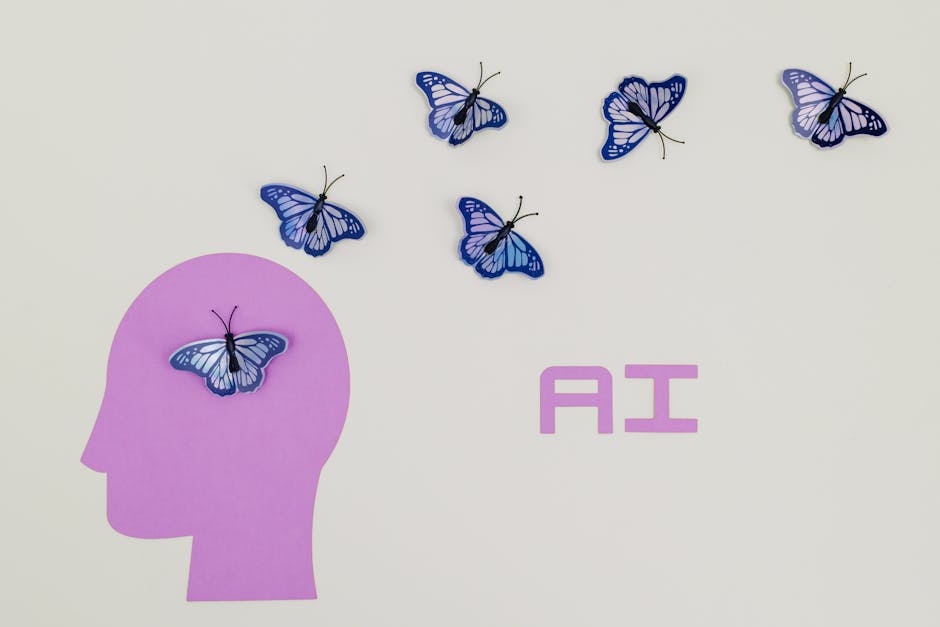
Image by: Tara Winstead
https://www.pexels.com/@tara-winstead