
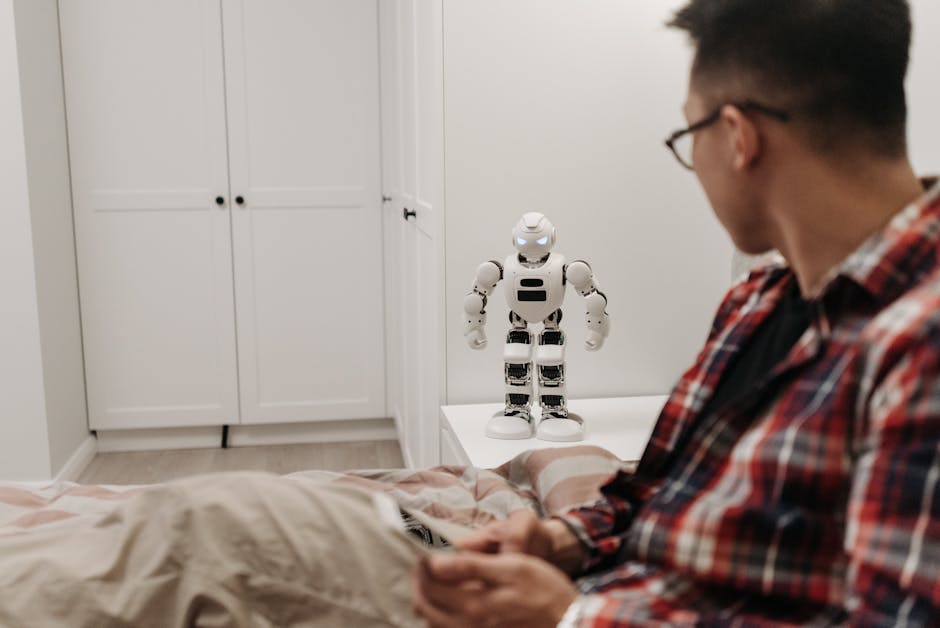
Earn Using AI: Latest AI Technologies and How They Enhance Everyday Life in 2025
Artificial intelligence has moved from experimental labs into the daily routines, shaping how we work, learn, and relax. By 2025, breakthroughs in generative models, edge computing, and multimodal perception enable tools that anticipate needs, automate repetitive tasks, and unlock new creative avenues. This article explores the latest AI technologies that are not only boosting productivity but also improving quality of life across various domains. We will examine how intelligent assistants streamline personal organization, how diagnostic algorithms support clinicians, how generative platforms empower creators, and how AI optimizes energy consumption. Each section builds on the previous one, showing a cohesive picture of AI’s expanding role in everyday life. These developments are driven by corporate investment and open‑source collaboration, ensuring diffusion.
Ai-powered personal assistants
Modern personal assistants go beyond simple voice commands. Leveraging large language models that run on edge devices, they understand context from calendars, emails, and even ambient sensors to propose actions before a user articulates a need. For example, an assistant might notice a pattern of late‑night work and suggest a brief meditation session, or detect an upcoming travel conflict and re‑schedule meetings automatically.
The core capabilities that define today’s assistants include:
- Multimodal input processing – combining speech, facial expression, and device usage patterns.
- Proactive task scheduling based on predictive analytics of user behavior.
- Privacy‑first on‑device inference, ensuring personal data never leaves the smartphone or laptop.
- Seamless integration with third‑party services through standardized APIs, allowing control of smart home devices, financial apps, and health trackers.
By reducing cognitive load and handling routine logistics, these assistants free mental bandwidth for more meaningful activities, laying the foundation for the specialized AI applications discussed next.
Ai in healthcare diagnostics
Diagnostic AI has shifted from experimental proofs of concept to routine clinical support. Models trained on diverse medical imaging datasets now assist radiologists in spotting subtle anomalies, while predictive algorithms analyze electronic health records to flag patients at risk of conditions such as sepsis or heart failure.
The following table illustrates reported improvements in key diagnostic areas as of 2025:
| Application | Accuracy improvement vs. baseline | Clinical adoption rate |
|---|---|---|
| Radiology (lung nodule detection) | +18% | 62% |
| Pathology (cancer tissue grading) | +15% | 48% |
| Cardiology (ECG arrhythmia detection) | +22% | 55% |
| Wearable‑based arrhythmia monitoring | +12% | 70% |
These gains translate into earlier interventions, reduced unnecessary procedures, and better allocation of specialist time. The ripple effect extends to personal health management, where AI‑driven insights from wearables feed back into the proactive suggestions of personal assistants, creating a health‑focused feedback loop.
Ai-driven content creation
Generative AI has become a collaborative partner for writers, designers, musicians, and educators. Text models produce drafts that authors refine, image generators create concept art for storyboards, and music composition tools suggest harmonic progressions based on a desired mood. In education, adaptive tutoring systems generate practice problems tailored to a learner’s mastery level, while language‑learning apps simulate conversational partners with realistic pronunciation feedback.
Key impacts observed in 2025 include:
- Reduction of average content production time by 35% for marketing copy.
- Increase in creative experimentation, as artists report trying 2.3× more style variations per project.
- Enhanced accessibility, with AI‑generated captions and sign‑language avatars making multimedia consumable for hearing‑impaired audiences.
- Scalable personalized learning, where each student receives a unique problem set without additional teacher workload.
As creators spend less time on repetitive drafting, they can focus on strategic thinking and emotional resonance—skills that complement the analytical strengths of AI assistants and diagnostic tools, thereby enriching both professional and personal life.
Ai for sustainable energy management
The final pillar connects everyday convenience with planetary stewardship. AI algorithms analyze real‑time data from smart meters, weather forecasts, and grid occupancy to optimize electricity consumption at the household and neighborhood levels. Home energy managers equipped with predictive controls can shift flexible loads—such as dishwasher or EV charging—to periods of renewable abundance, lowering both bills and carbon footprints.
Core functions of AI‑enhanced energy systems include:
- Demand‑response forecasting that anticipates peak periods with 90% accuracy.
- Fault detection in solar panels and wind turbines, reducing downtime by up to 40%.
- Dynamic tariff optimization, automatically selecting the cheapest or greenest available power source.
- Integration with personal assistants to inform users about energy‑saving actions through natural language prompts.
By aligning individual consumption patterns with broader sustainability goals, AI not only cuts expenses but also reinforces the quality‑of‑life improvements initiated by smarter assistants, healthier diagnostics, and richer creative experiences.
In 2025, artificial intelligence permeates every facet of daily life, evolving from isolated tools into an interconnected ecosystem that enhances productivity, health, creativity, and environmental responsibility. Intelligent personal assistants streamline routine tasks, freeing time for pursuits that matter. Diagnostic algorithms empower clinicians with faster, more accurate insights, directly improving personal well‑being. Generative platforms unlock new avenues for expression and learning, allowing individuals to create and consume content with unprecedented ease. Finally, AI‑driven energy management aligns personal consumption with sustainability objectives, ensuring that the conveniences of modern technology do not come at the planet’s expense. Together, these advancements form a virtuous cycle: healthier, more informed, and creatively engaged users make better choices about energy and lifestyle, which in turn fuels further innovation. Embracing these technologies responsibly promises a future where everyday life is not only easier but also richer, healthier, and more sustainable.
No related posts
Image by: Pavel Danilyuk
https://www.pexels.com/@pavel-danilyuk