

Why 2026 Is the Golden Year for Used EV Buyers

Why 2026 Is the Golden Year for Used EV Buyers
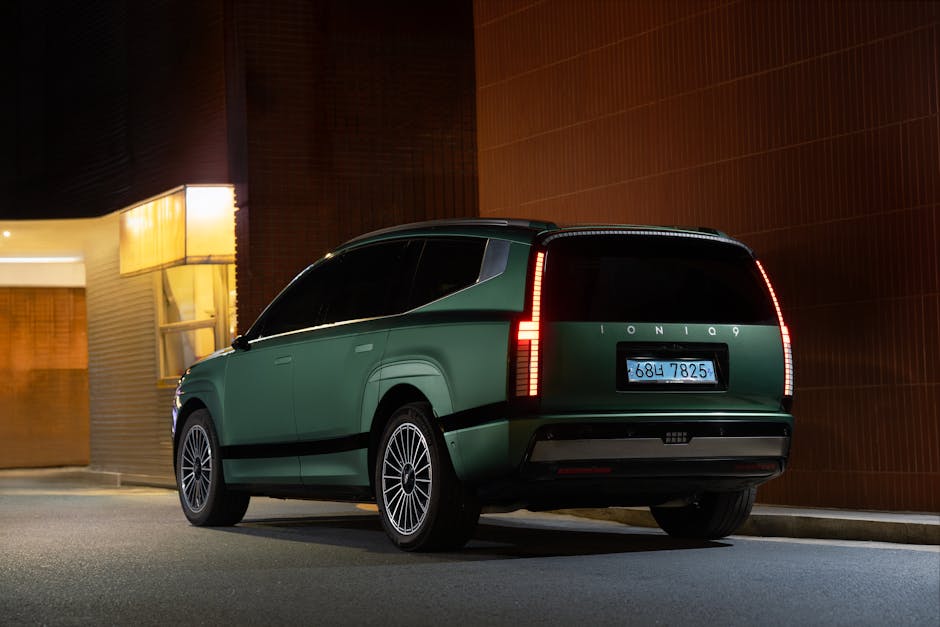
The automotive landscape is constantly evolving, but few shifts are as profound as the current transition to electric vehicles. As new EV models proliferate and charging infrastructure expands, a pivotal moment is approaching for the used car market. Specifically, 2026 is shaping up to be an exceptionally opportune year for prospective electric vehicle owners who prioritize value and accessibility. This article will explore the confluence of factors – including an unprecedented wave of lease returns, maturing battery technology, an expanding charging network, and advantageous depreciation curves – that will make 2026 the definitive golden year for buying a used EV. Understanding these trends can empower buyers to make informed decisions and seize the opportunity to embrace sustainable transportation at a truly attractive price point.
The influx of lease returns and market expansion
A primary driver making 2026 an exceptional year for used EV purchases is the anticipated surge in off-lease vehicles entering the market. The significant boost in new EV sales began in earnest around 2023 and 2024, driven by a growing selection of models and increasing consumer interest. Many of these vehicles were acquired through 2-3 year lease agreements. As these leases mature, a substantial volume of well-maintained, relatively low-mileage electric vehicles will flood the used car market in 2026. This influx will dramatically increase supply, leading to more competitive pricing across a wider range of models, from compact sedans to family-friendly SUVs.
Furthermore, the overall new EV market continues to expand with more manufacturers launching diverse electric offerings. This broader new vehicle availability indirectly contributes to the used market by pushing down prices as consumers have more choices. The sheer variety of makes and models, combined with the increase in volume, means that buyers in 2026 will encounter an unparalleled selection, offering something for every budget and lifestyle. This market saturation at the used level creates an environment where buyers have significant leverage.
Technological advancements and battery assurance
One of the persistent concerns for used EV buyers has historically been battery degradation and range anxiety. However, by 2026, the electric vehicles entering the used market will largely be from a generation that benefits from substantial technological advancements. Models from 2023-2024 feature more efficient battery chemistries, improved thermal management systems, and sophisticated software that optimizes battery health over time. This means that a 2-3 year old EV in 2026 will likely retain a much higher percentage of its original battery capacity compared to earlier generations, ensuring a practical and reliable driving range for its next owner.
Moreover, most manufacturers offer robust battery warranties, typically covering 8 years or 100,000 miles (whichever comes first) for battery degradation or defects. This extended warranty provides significant peace of mind for used EV buyers, mitigating the risk associated with a major component. For an EV purchased in 2026 that was originally sold new in 2023 or 2024, a substantial portion of this warranty will still be active, offering crucial protection and assurance of the vehicle’s long-term viability and performance.
Incentives, infrastructure, and smart buying
The landscape for EV ownership is not just about the vehicles themselves, but also the supporting ecosystem. By 2026, the public charging infrastructure will have undergone significant expansion and refinement. Government initiatives, private investments, and the opening of previously proprietary charging networks (like Tesla’s Superchargers to non-Tesla EVs) will mean more charging options, greater reliability, and increased convenience for EV owners nationwide. This reduces range anxiety and makes owning an EV a more practical proposition, especially for those who might not have home charging options.
Furthermore, the possibility of future government incentives for used electric vehicles cannot be overlooked. While current federal tax credits primarily target new EVs, there is growing momentum and discussion around extending similar benefits to used EVs to accelerate adoption and make them more accessible. Should such incentives become widely available by 2026, they would further reduce the net purchase cost for buyers, making an already attractive proposition even more compelling. Smart buyers will be keen to research and leverage any available federal, state, or local programs that could apply to their used EV purchase.
Depreciation sweet spot and long-term value
The initial years of a new car’s life are typically when it experiences the steepest depreciation. Electric vehicles, like their gasoline counterparts, follow this general trend, though their depreciation curve can sometimes be steeper in the very beginning due to rapid technological advancements and evolving market dynamics. However, by 2026, many EVs from the 2023-2024 model years will have passed this initial, most aggressive period of depreciation. This places them squarely in a “sweet spot” where they offer substantially lower prices than new models, while still retaining significant life, performance, and modern features.
The table below illustrates a hypothetical depreciation curve for a popular EV model:
| Year of Purchase | Original MSRP (New) | Estimated Used Price (3 years old) | Approximate Depreciation from New |
|---|---|---|---|
| 2023 (New) | $50,000 | N/A | N/A |
| 2024 (New) | $50,000 | N/A | N/A |
| 2026 (Used) | N/A | $30,000 – $35,000 | 30% – 40% |
Buying a used EV in 2026 means acquiring a vehicle that has already absorbed the majority of its value loss, providing excellent long-term value. These vehicles will continue to offer low running costs due to cheaper “fuel” (electricity) and reduced maintenance compared to internal combustion engine cars. This combination of lower upfront cost, retained battery health, extended warranty coverage, and an improving support ecosystem positions 2026 as the prime time to enter the used EV market with confidence and economic advantage.
In conclusion, 2026 presents an unprecedented opportunity for individuals looking to buy a used electric vehicle. The convergence of several key factors—a substantial influx of lease returns dramatically increasing market supply, the inherent reliability and improved performance of maturing battery technologies, a rapidly expanding and more accessible charging infrastructure, and the sweet spot of EV depreciation curves—all point towards a buyer’s market. Prospective owners can anticipate a wider selection of modern, well-maintained EVs at significantly more attractive price points than ever before. Combined with potential incentives and robust battery warranties, 2026 truly stands out as the golden year to make the transition to electric mobility, offering both environmental benefits and exceptional financial value. For smart consumers, patience and strategic timing will pay off handsomely.
No related posts
Image by: Hyundai Motor Group
https://www.pexels.com/@hyundaimotorgroup