

The Rise of Virtual Actors: Shaping the Future of Cinema

The Rise of Virtual Actors: Shaping the Future of Cinema
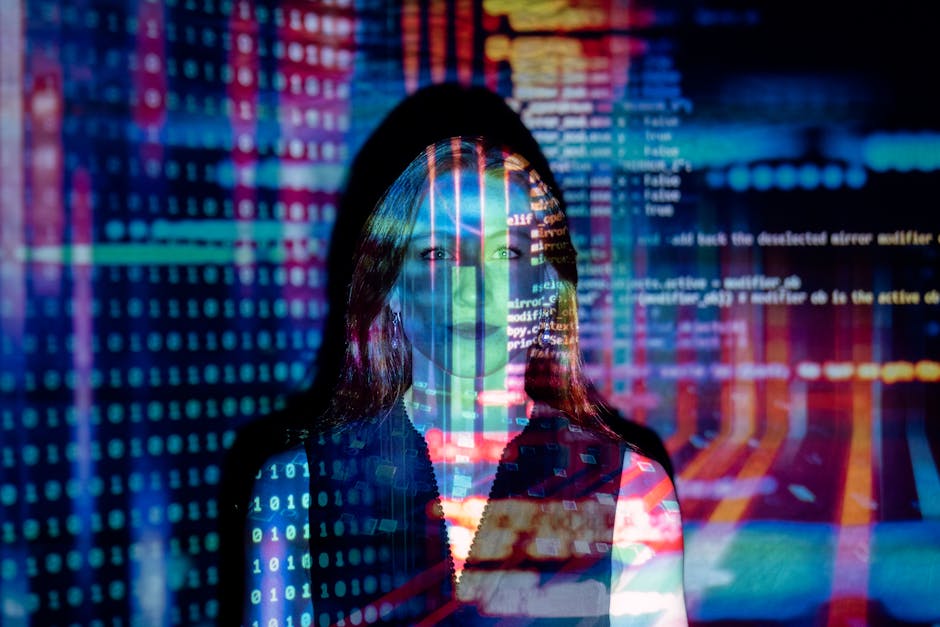
The cinematic landscape is on the cusp of a revolutionary transformation, driven by advancements in digital technology. For decades, special effects have pushed the boundaries of visual storytelling, but a new frontier is emerging: the rise of virtual actors. These digital performers, ranging from hyper-realistic avatars to fully computer-generated characters, are no longer mere background elements or fantastical creatures. They are poised to become central figures, sharing the screen with human counterparts and even leading entire productions. This profound shift is challenging traditional notions of acting, production, and storytelling, promising unprecedented creative freedoms while simultaneously raising complex ethical and practical questions. Exploring the capabilities, implications, and future trajectory of virtual actors is crucial to understanding how cinema will evolve in the coming years.
The genesis of digital performance: From nascent CGI to sophisticated avatars
The journey towards believable virtual actors began not with an intention to replace humans, but to augment reality and bring the impossible to screen. Early computer-generated imagery (CGI) in films like 1982’s Tron or the liquid metal T-1000 in 1991’s Terminator 2: Judgment Day were groundbreaking, showcasing the nascent power of pixels. However, these were effects, not characters capable of conveying nuanced emotion.
The true turning point arrived with the development of motion capture and performance capture technologies. Andy Serkis’s portrayal of Gollum in Peter Jackson’s The Lord of the Rings trilogy (starting in 2001) was a watershed moment. Here, a human actor’s physical and emotional performance was meticulously recorded and translated onto a digital character, creating an entity that was both fantastical and deeply empathetic. This technique was further refined in films like James Cameron’s Avatar (2009), where entire alien races like the Na’vi were brought to life with unprecedented fidelity, their performances directly driven by actors wearing specialized suits and facial markers.
Today, the technology has evolved dramatically. Photorealistic digital doubles, once used primarily for complex stunts or fleeting appearances, are now capable of sustained screen time. Advances in facial animation, sub-surface scattering for skin realism, and sophisticated rendering engines mean that the “uncanny valley” – the unsettling feeling elicited by characters that look almost, but not quite, human – is being steadily bridged. This evolution from simple digital effects to complex, performance-driven virtual beings lays the foundation for their increasingly prominent role in cinematic narratives.
Beyond human limitations: Advantages and creative freedoms
The appeal of virtual actors extends far beyond simply replicating human performances; it unlocks a realm of creative possibilities previously confined to the imagination. One significant advantage is the ability to cast actors who are ageless, impervious to injury, or even deceased. This opens doors for preserving iconic performances, completing unfinished projects, or even allowing beloved characters to age (or not age) at will, offering unparalleled narrative control. Think of the de-aging techniques used in films like The Irishman or the digital resurrection of Peter Cushing in Rogue One: A Star Wars Story – these are early indicators of the potential for sustained virtual performances.
Furthermore, virtual actors can perform stunts that are physically impossible or dangerously risky for human actors, thereby reducing production costs associated with complex stunt work, insurance, and potential delays due to injury. Directors gain absolute control over every aspect of a virtual actor’s performance, from the subtlest facial twitch to an entire physical manifestation, ensuring the character perfectly aligns with their artistic vision without the limitations or unpredictability of human availability, mood, or physical constraints.
This also means characters can inhabit fantastical forms, traverse extreme environments without practical limitations, or even embody abstract concepts, pushing the boundaries of storytelling into entirely new genres and visual languages. The table below illustrates some key benefits:
| Aspect | Traditional Actors | Virtual Actors |
|---|---|---|
| Changes over time, limited by actor’s physical state. | Ageless, consistent, adaptable appearance; can be de-aged/re-aged. | |
| Limited by human capabilities, requires stunt doubles, risk of injury. | Unbound by physics, performs impossible stunts safely, no injury risk. | |
| Availability | Confined by schedules, health, multiple projects. | Always available, consistent performance across multiple takes/projects. |
| Posthumous Performance | Impossible after death. | Can be “resurrected” or continued digitally, raising ethical questions. |
| Creative Control | Director guides actor, but performance is ultimately human. | Absolute control over every nuance of expression and movement. |
Technical frontiers and ethical considerations
The continuous rise of virtual actors is powered by a confluence of cutting-edge technologies. Artificial intelligence (AI) and deep learning are now crucial for generating lifelike facial animations, simulating complex emotional expressions, and even synthesizing voice. Neural rendering techniques are revolutionizing the realism of digital humans, making it increasingly difficult to distinguish between real and computer-generated images. Photogrammetry and 3D scanning create incredibly detailed models of real-world objects and people, forming the foundation for these digital creations.
However, alongside these breakthroughs, significant challenges and ethical dilemmas emerge. The “uncanny valley” remains a persistent hurdle; while photorealism is improving, achieving genuine emotional resonance and escaping that subtly unsettling feeling requires immense computational power and artistic subtlety. The cost of creating these high-fidelity virtual actors is still substantial, requiring massive teams of skilled VFX artists, animators, and AI specialists.
Ethical questions are perhaps the most pressing. Who owns the likeness and performance rights of a virtual actor, especially if it’s based on a real person, living or deceased? What are the implications for intellectual property? Concerns about job displacement within the acting profession are valid, as some roles could theoretically be filled by virtual counterparts. The debate also extends to authenticity: how will audiences perceive performances that are entirely synthetic? Establishing clear legal frameworks and industry guidelines will be paramount to navigate these complex waters, ensuring fair compensation and protecting the legacy of human performers while embracing technological advancement.
The economic and industry impact
The integration of virtual actors into filmmaking portends a significant ripple effect across the entire industry, from production budgets to creative roles. Economically, while the initial investment in developing a sophisticated virtual actor can be high, the long-term cost efficiencies could be substantial. For instance, the ability to “reshoot” scenes with a virtual actor without recalling an entire human cast and crew, or the elimination of travel and accommodation costs, presents a compelling financial argument for certain productions. Studios can maintain consistent casting across franchises over many decades, avoiding recasting issues and ensuring character continuity.
The shift also necessitates the evolution of existing industry roles and the creation of entirely new ones. Traditional casting directors might expand their scope to include digital asset management. VFX studios will transform into virtual production houses, requiring expertise in AI programming, neural rendering, and real-time performance capture. New positions, such as “digital human specialists,” “AI ethicists for virtual beings,” or “performance capture directors,” are already emerging or will become standard. This means a new skill set is becoming crucial for those entering the film industry, blending artistic vision with technological prowess.
Furthermore, the rise of virtual actors could democratize filmmaking in some ways, allowing independent creators access to “talent” that would otherwise be out of reach, provided the underlying technology becomes more accessible. It also fosters innovation in virtual production environments, where directors can see their digital sets and characters rendered in real-time, streamlining the creative process. The economic landscape of cinema is poised for a recalibration, valuing digital craftsmanship and technological innovation alongside traditional artistic talent.
The ascent of virtual actors marks a fascinating and inevitable evolution in the art and business of cinema. From their humble beginnings as simple CGI effects to today’s hyper-realistic, AI-driven avatars, these digital performers are redefining what’s possible on screen. They offer unparalleled creative freedoms, allowing stories to transcend human limitations of age, physicality, and even mortality, while simultaneously presenting compelling economic benefits for production studios. However, this transformative journey is not without its complexities. The industry grapples with profound technical challenges like perfecting the elusive human essence, alongside critical ethical debates concerning intellectual property, the authenticity of performance, and the potential impact on human acting careers. The future of cinema will undoubtedly be a rich tapestry woven from the collaborative efforts of human artistry and digital innovation. Rather than a replacement, virtual actors will likely serve as powerful collaborators, expanding the storyteller’s palette and enabling narratives previously deemed impossible, thereby ushering in a thrilling new era for filmgoers and creators alike.
Related posts
- From Panem to A-List: The 11 Most Successful ‘Hunger Games’ Stars, Ranked
- Marvel 1943: Rise of Hydra PS5 Delay: What It Means for Gamers
- Marvel’s Echo on Disney Plus: release date, cast, plot speculation, and more
- Marvel fans are trashing Secret Invasion’s final episode – and it deserves it
- Spider-Man 2 PS5 release date, gameplay and latest news
Image by: ThisIsEngineering
https://www.pexels.com/@thisisengineering