

Tesla Cybertruck Owners Unveil Concerning New Roadway Trend: ‘It Has Escalated Quite a Bit’

Tesla Cybertruck Owners Unveil Concerning New Roadway Trend: 'It Has Escalated Quite a Bit'
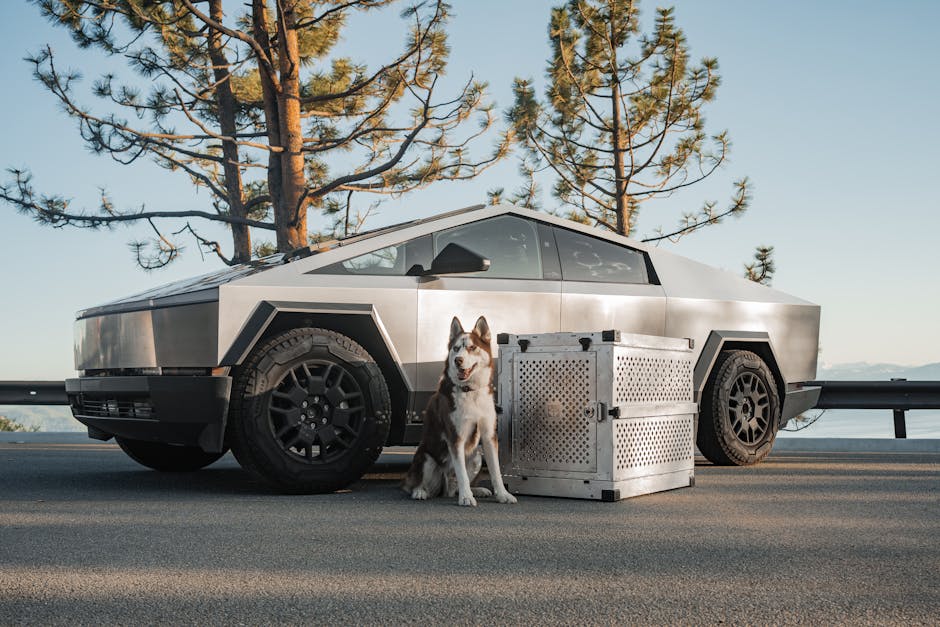
Introduction: A curious case of road behavior and the cybertruck
The advent of the Tesla Cybertruck on roadways has certainly been a spectacle, capturing attention with its futuristic, angular design. However, beyond its polarizing aesthetics and performance figures, a more concerning narrative is beginning to emerge from owners and other drivers alike. Reports are detailing a distinct and troubling shift in roadway dynamics, directly linked to the Cybertruck’s presence. What started as isolated incidents is rapidly evolving into a pattern that many describe as a significant escalation of aggressive and unconventional driving behaviors. This article delves into this nascent, yet increasingly prevalent, roadway trend, exploring its manifestations, potential causes, and the broader implications for road safety and driver interaction in the modern automotive landscape.
The rise of “cyber-bullying” on the asphalt
Owners and witnesses are increasingly reporting a phenomenon being dubbed “cyber-bullying” on the road, where the distinctive appearance and robust presence of the Cybertruck appear to embolden some drivers towards more aggressive tactics. This isn’t merely about speeding; it involves a perceived sense of invincibility or dominance, leading to intentional tailgating, aggressive lane changes without signaling, and even deliberate blocking of other vehicles. The truck’s imposing size and angular, almost military-like design seem to foster a confrontational driving style, where its unique silhouette is leveraged to intimidate or assert priority. This behavior is not uniformly observed among all Cybertruck owners, but the frequency of such reports indicates a worrying subculture developing around the vehicle’s image.
Some hypothesize that the polarizing nature of the Cybertruck itself plays a role, creating an “us vs. them” mentality on the road. For some drivers, owning such a radical vehicle might translate into a perception of being above conventional road rules or etiquette. This psychological aspect, combined with the vehicle’s physical attributes, creates a feedback loop where the truck’s design reinforces aggressive tendencies, which in turn are amplified by the reactions of other motorists.
Safety implications and mounting driver frustration
The direct consequence of this escalating roadway trend is a tangible increase in safety risks for everyone sharing the road. Aggressive driving, regardless of the vehicle, contributes significantly to accidents, and when compounded by an intimidating presence like the Cybertruck, the potential for serious incidents rises. Other drivers report feeling intimidated, pressured, or even deliberately targeted, leading to increased stress and potential overreactions. The sheer mass and rigid construction of the Cybertruck, while offering protection to its occupants, could pose greater danger to smaller vehicles in the event of a collision resulting from aggressive maneuvers.
Beyond direct accident risks, there’s a growing wave of frustration among the general driving public. Social media platforms and local news outlets are rife with anecdotes and visual evidence of these behaviors, fueling a negative perception of Cybertruck owners as a whole. This collective annoyance can degrade the overall driving experience, potentially leading to incidents of road rage from non-Cybertruck drivers who feel targeted or disrespected.
Here’s a breakdown of common concerns reported by other drivers:
| Concern type | Description | Frequency of reports (Perceived) |
|---|---|---|
| Aggressive tailgating | Following too closely, especially at high speeds. | High |
| Intentional blocking | Preventing other vehicles from merging or changing lanes. | Medium-High |
| Unsafe lane changes | Swerving without signals, cutting off other drivers. | Medium |
| Intimidating presence | Using the vehicle’s size/design to assert dominance. | High |
| Lack of courtesy | General disregard for standard driving etiquette. | High |
Community response and calls for awareness
The growing concern over Cybertruck-related road behavior has sparked various responses from online communities, automotive enthusiasts, and even some within the Cybertruck owner base itself. Discussion forums and social media groups dedicated to electric vehicles and Tesla are seeing frequent posts debating the issue, with many calling for greater driver awareness and responsibility. There’s a push for owners to recognize the impact their vehicle’s unique presence can have and to consciously adopt a defensive and courteous driving style to counteract the emerging stereotype.
While formal actions from law enforcement or regulatory bodies are still nascent, the sheer volume of anecdotal evidence suggests that this trend cannot be ignored. Some commentators have proposed educational campaigns, similar to those targeting distracted driving or drunk driving, to address aggressive behavior linked to specific vehicle types. The emphasis is not on demonizing the vehicle itself, but on fostering responsible driving habits that align with the safety of all road users. The goal is to prevent this emerging trend from solidifying into a widespread and dangerous norm.
Vehicle design, driver psychology, and the future of road etiquette
This phenomenon extends beyond just the Cybertruck; it touches upon the complex interplay between vehicle design, driver psychology, and societal norms on the road. Modern vehicles, particularly large SUVs and trucks, have often been associated with a perceived sense of safety and dominance. The Cybertruck, however, amplifies this to an extreme with its bulletproof glass and stainless-steel exoskeleton, potentially fostering an exaggerated sense of invulnerability in some drivers. This psychological effect can lead to a detachment from the consequences of aggressive driving.
The trend raises important questions about the future of road etiquette in an era of increasingly diverse and specialized vehicles. As automotive designs push boundaries, and vehicles become more connected or even autonomous, understanding how these changes influence human behavior behind the wheel becomes crucial. It highlights the need for a continuous dialogue about responsible driving, not just in terms of adhering to laws, but also in cultivating a culture of mutual respect and safety among all road users, irrespective of what they drive. The Cybertruck situation serves as a stark reminder that innovation in vehicle technology must always be balanced with the imperative of safe and considerate human operation.
Conclusion: Navigating the evolving landscape of road behavior
The emergence of a distinct, and often aggressive, roadway trend associated with Tesla Cybertruck owners marks a significant point of discussion for road safety and driver etiquette. From intentional blocking to intimidating tailgating, what began as anecdotal reports has undeniably escalated into a recognizable pattern, fueled in part by the Cybertruck’s unique, imposing design and the psychological impact it may have on some drivers. This phenomenon, dubbed “cyber-bullying” on the road, poses tangible safety risks, exacerbates driver frustration, and underscores the need for greater awareness and responsible conduct. As vehicles continue to evolve in design and capability, the human element of driving remains paramount. Addressing such trends requires a multifaceted approach: fostering community dialogue, promoting driver education, and encouraging a culture of courtesy that transcends vehicle type. Ultimately, ensuring safe roads depends not just on technological advancements, but on the unwavering commitment of every driver to share the road respectfully.
No related posts
Image by: Impact Dog Crates
https://www.pexels.com/@impact-dog-crates-1789722873