

Overlap no Ma House: IGArchitects’ Innovative Approach to Modern Japanese Architecture

Overlap no Ma House: IGArchitects' Innovative Approach to Modern Japanese Architecture
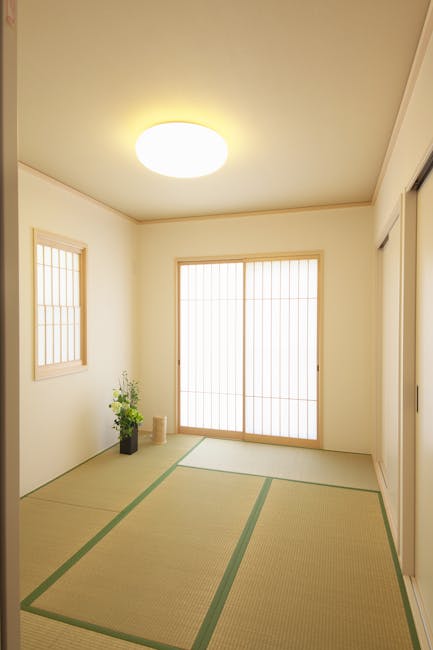
In the evolving landscape of global architecture, few firms manage to intertwine deep cultural roots with bold contemporary vision quite like IGArchitects. Their groundbreaking project, the Overlap no Ma House, stands as a testament to this delicate balance, redefining what modern Japanese architecture can be. This innovative dwelling doesn’t just provide shelter; it crafts an experience, thoughtfully reinterpreting traditional concepts of space and living for the 21st century. By exploring the profound philosophy of “ma” – the intentional void or interval – and skillfully applying the principle of “overlap” in its design, IGArchitects has created a home that is both deeply rooted in heritage and strikingly forward-thinking. This article will delve into the ingenious methods employed, highlighting how the Overlap no Ma House masterfully blends flexibility, natural integration, and cultural sensitivity into a cohesive and inspiring architectural statement.
The philosophy of “ma” in design
Central to understanding the Overlap no Ma House is an appreciation for the traditional Japanese concept of “ma.” More than just an empty space, “ma” signifies the intentional pause, the interval, or the experiential gap between elements. It’s a spatial and temporal awareness that allows for contemplation, connection, and a deeper understanding of one’s surroundings. IGArchitects has not merely replicated traditional forms but has deeply embedded the spirit of “ma” into the house’s very fabric. This manifests in carefully calibrated transitions between rooms, the strategic placement of voids, and the way light is introduced to create moments of stillness and dynamic interaction. The design encourages residents to perceive not just the physical structure, but the feeling and potential inherent within the spaces, allowing the house to breathe and adapt to their needs and moods.
Overlapping spaces: blurring boundaries for flexibility
The “overlap” in Overlap no Ma House is a tangible expression of flexibility and interconnectedness. IGArchitects employs this principle to create a fluidity that challenges conventional notions of rigid room divisions. Rather than fixed walls, the design features sliding panels, multi-level platforms, and permeable boundaries that allow spaces to expand, contract, and transform. For example, a living area might seamlessly extend into a dining space or even an outdoor deck, simply by opening a series of partitions. This intentional blurring of interior and exterior, and of one functional zone into another, fosters a sense of openness and adaptability. It reflects a modern lifestyle that values versatility, allowing the inhabitants to reconfigure their environment based on social gatherings, personal solitude, or seasonal changes, thereby maximizing the utility and experience of a compact urban footprint.
Crafting connection: light, views, and materials
The innovative spirit of the Overlap no Ma House is further accentuated through its thoughtful manipulation of natural light, strategic views, and a refined selection of materials. IGArchitects masterfully utilizes large openings, skylights, and internal courtyards to draw daylight deep into the home, creating ever-changing patterns of light and shadow that animate the interior and connect occupants with the external environment. Views are meticulously framed, often through unexpected apertures or across multiple overlapping layers of space, inviting glimpses of nature or distant cityscapes. The material palette, while modern, often references traditional Japanese aesthetics. Natural wood, exposed concrete, and carefully chosen textiles contribute to a minimalist yet warm ambiance, emphasizing texture and authenticity. This harmonious blend of elements ensures that the house feels both contemporary and profoundly rooted in its cultural context.
| Design Element | Contribution to “Ma” | Contribution to “Overlap” |
|---|---|---|
| Sliding Partitions | Creates flexible voids and transitions | Blurs room boundaries, merging spaces |
| Multi-level Floors | Defines subtle shifts in atmosphere/function | Interconnects vertical zones visually |
| Internal Courtyards | Introduces contemplative natural “pauses” | Integrates interior with exterior spaces |
| Strategic Skylights | Highlights specific areas with focused light | Connects inner ceilings to the sky above |
| Provides a grounded, authentic texture | Offers visual contrast and material flow |
A new paradigm for urban living
The Overlap no Ma House by IGArchitects represents more than just a beautifully designed home; it proposes a new paradigm for urban living, particularly in dense Japanese cities where space is a premium. By challenging conventional layouts and embracing the concepts of “ma” and “overlap,” the architects have demonstrated how limited footprints can be transformed into expansive, adaptable, and emotionally resonant environments. This house offers vital lessons in how to foster a profound connection with one’s surroundings, both natural and built, without sacrificing the demands of modern functionality. It champions a design philosophy that prioritizes flexibility, natural light, and a deep respect for cultural heritage, positioning itself as a compelling blueprint for sustainable and meaningful residential architecture in the contemporary world. It’s an intelligent response to evolving needs, showcasing how innovation can be found by looking both forward and back.
In conclusion, the Overlap no Ma House by IGArchitects stands as a powerful demonstration of how architectural innovation can respectfully engage with profound cultural traditions. By ingeniously reinterpreting the Japanese concept of “ma” – the essential interval or void – and implementing a dynamic principle of “overlap,” the firm has created a residence that is not only visually striking but deeply experiential. This project brilliantly showcases how flexible spaces, the thoughtful integration of natural light, and a carefully chosen material palette can foster a sense of harmony and adaptability in a modern urban context. It serves as a compelling model for future architectural endeavors, proving that contemporary design can achieve both cutting-edge functionality and a profound connection to heritage. The Overlap no Ma House is more than a home; it’s a living dialogue between past and future, offering a refreshing perspective on sustainable and culturally rich living.
Related posts
- Nu Jack City’s Electrifying New Vibe: Must-See Showcases at The Hive
- Everyday Items: Uncovering Their Surprisingly Bizarre Origins
- Jessica Alba’s Organic Dining Room: Sleek Contemporary Meets Timeless Elegance for Perfect SEO
- Rivian’s RJ Scaringe Challenges Robot Development
- Home Decor Boutique: Transforming Spaces from the Inside Out for SEO Success
Image by: Pixabay
https://www.pexels.com/@pixabay