
Jay Alvarrez: From Coconut Oil Controversy to Edible Beef Tallow Skincare
Jay Alvarrez, a name synonymous with sun-soaked adventures and an effortlessly cool aesthetic, has long captivated a massive online audience. Beyond his travel vlogs and photography, Alvarrez has also inadvertently become a figure in the natural skincare movement, often sharing his personal routines. His journey through skincare has been anything but static, marked by a notable pivot from one controversial natural ingredient to another. This article delves into Alvarrez’s evolving skincare philosophy, specifically tracing his path from advocating coconut oil – a product that garnered both fervent fans and considerable scientific skepticism – to his current endorsement of edible beef tallow, exploring the reasons behind this significant shift and its implications for the broader natural beauty landscape.
The coconut oil era and its reception
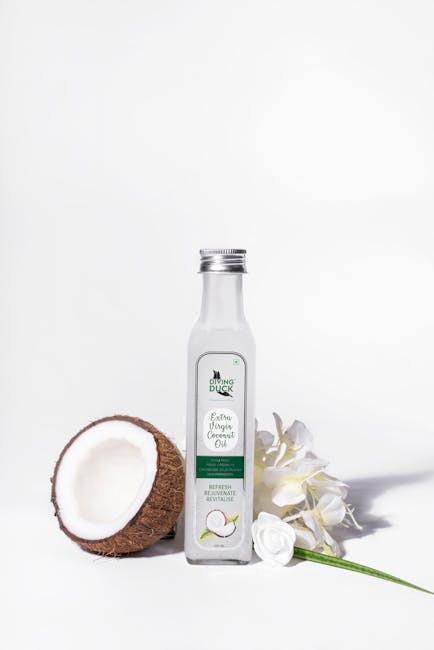
For a period, Jay Alvarrez was among the many influencers championing coconut oil as a versatile, natural solution for everything from hair conditioning to moisturizing skin. Its widespread availability, relatively low cost, and perception as a “natural” alternative made it a popular choice, especially among those seeking to avoid synthetic chemicals in their beauty routines. The allure of a single ingredient that could seemingly do it all resonated deeply with a minimalist, back-to-nature ethos that Alvarrez often embodies. Users, often inspired by his example, would slather it on, believing in its purported hydrating and nourishing properties.
However, the scientific community and many dermatologists were quick to raise red flags, particularly concerning its use on facial skin. Coconut oil, while having some beneficial antimicrobial properties, is highly comedogenic, meaning it has a strong tendency to clog pores. Its primary fatty acid, lauric acid, can be problematic for acne-prone skin, potentially exacerbating breakouts and fostering an environment for certain bacteria. This led to a significant controversy, as many individuals following the trend experienced adverse effects like increased acne, blackheads, and overall skin congestion. The initial enthusiasm for coconut oil as a facial moisturizer began to wane as personal anecdotes and expert warnings accumulated, prompting a re-evaluation of its suitability for delicate facial skin.
The quest for a “better” natural alternative
The pushback against coconut oil, both from his followers’ experiences and a growing body of information, likely played a crucial role in Jay Alvarrez’s evolving skincare perspective. For someone deeply embedded in a lifestyle that values authenticity and natural living, the quest for a genuinely beneficial, non-irritating natural moisturizer became paramount. This period marked a transition from simply adopting popular “natural” trends to a more discerning search for ingredients that aligned better with skin physiology and ancient wisdom. The underlying philosophy wasn’t to abandon natural ingredients altogether, but rather to find those that truly supported skin health without unintended side effects. This search often led influencers and health enthusiasts to explore alternatives rooted in ancestral practices, moving away from plant-based oils that had shown mixed results for facial application towards animal-derived options.
This shift reflects a broader trend among health-conscious individuals who are increasingly turning to traditional methods and ingredients, often influenced by “biohacking” and ancestral health movements. The goal was to find ingredients that not only moisturized but also helped maintain the skin barrier, provided essential nutrients, and minimized the risk of irritation or breakouts. This investigative phase ultimately set the stage for the emergence of beef tallow as a contender in the natural skincare arena.
Beef tallow’s rise: an ancestral skincare revival
Enter beef tallow, an ingredient that has resurfaced from historical beauty practices to become Jay Alvarrez’s current skincare endorsement. Tallow, rendered fat from cattle, boasts a unique fatty acid profile that remarkably resembles that of human skin sebum. This biomimicry is key to its effectiveness. It is rich in conjugated linoleic acid (CLA), which has anti-inflammatory properties, and vitamins A, D, E, K, and B12 – essential nutrients for skin health that are often lacking in synthetic skincare products. Unlike coconut oil, which is high in lauric acid, tallow’s primary fatty acids are oleic acid and stearic acid, known for their moisturizing and protective qualities without being highly comedogenic for most skin types.
The ancestral argument for tallow is compelling: before the advent of industrial oils and synthetic creams, animal fats were widely used for skincare across various cultures. They provided a protective barrier, locked in moisture, and delivered vital fat-soluble vitamins directly to the skin. Modern proponents, including Alvarrez, often highlight tallow’s ability to nourish the skin deeply, support the skin barrier, and promote a healthy glow without clogging pores. The switch from coconut oil to beef tallow represents a significant ideological pivot, from a widely marketed plant oil with some downsides to a more niche, nutrient-dense animal product celebrated for its bio-compatibility and historical efficacy.
| Property | Coconut oil (facial use) | Beef tallow (facial use) |
|---|---|---|
| Comedogenic rating (0-5) | 4 (high) | 0-2 (low to moderate) |
| Key fatty acids | Lauric acid, Myristic acid | Oleic acid, Stearic acid, Palmitic acid |
| Vitamins | Vitamin E (trace) | Vitamins A, D, E, K, B12 |
| Similarity to human sebum | Low | High |
| Potential benefits | Moisturizing (body), antimicrobial | Moisturizing, barrier repair, nutrient-rich, anti-inflammatory |
| Common concerns | Clogged pores, breakouts | Initial absorption time, scent (if not refined) |
The broader implications: Jay Alvarrez as a skincare influencer and trendsetter
Jay Alvarrez’s evolution in skincare, from embracing the popular coconut oil trend to advocating for the ancestral beef tallow, underscores his significant influence as a trendsetter in lifestyle and wellness. His journey reflects a larger consumer movement away from highly processed or scientifically engineered beauty products towards more “whole” or “natural” ingredients, even if the definition of “natural” continues to be debated and refined. His endorsements can quickly bring niche products into mainstream awareness, prompting his vast audience to consider alternatives they might not have otherwise encountered. This also highlights the power of anecdotal evidence and personal testimony in shaping public opinion on health and beauty practices, sometimes outpacing conventional scientific consensus.
Ultimately, Alvarrez’s shift encourages a critical evaluation of what we put on our skin. While beef tallow offers compelling benefits for many, the importance of individual skin type, proper product formulation, and consulting dermatological advice remains paramount. His platform serves as a powerful conduit for disseminating information and sparking discussion, driving interest in both the benefits and potential drawbacks of a wide array of natural skincare solutions.
Jay Alvarrez’s skincare narrative provides a fascinating case study of evolving beauty philosophies. His journey from the widely adopted yet often problematic coconut oil to the increasingly popular ancestral beef tallow illustrates a continuous search for optimal, natural solutions that truly nourish the skin. This pivot reflects a growing consumer trend towards seeking ingredients that align more closely with human physiology and traditional wisdom, moving past superficial popularity. Ultimately, Alvarrez’s shift highlights the importance of critical evaluation in skincare, emphasizing that even “natural” ingredients require scrutiny. It also reinforces the significant role influencers play in shaping public perception and driving interest in alternative wellness practices, encouraging us all to thoughtfully consider what we apply to our skin.
No related posts
Image by: Dhanjit Sharma
https://www.pexels.com/@dhanjit-sharma-58298906


