

Iran War: State Actors & Visual Misinformation

Iran War: State Actors & Visual Misinformation
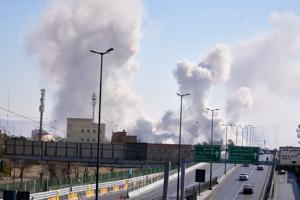
State actors are behind much of the visual misinformation about the Iran war
In the complex and often brutal landscape of modern conflict, the battle for hearts and minds is fought not just on the ground, but increasingly, across digital screens. The ongoing narratives surrounding the Iran war are a stark example, particularly concerning the pervasive use of visual misinformation. Mounting evidence suggests that state-backed entities are orchestrating sophisticated campaigns to manipulate public perception. These operations, often channeled through seemingly organic “pro-Iran” social media accounts, strategically deploy doctored or out-of-context images and videos. Their primary objective appears to be the exaggeration of destruction and casualty figures, painting a deliberately distorted picture of events to serve specific geopolitical agendas and sway both domestic and international opinion.
The landscape of conflict propaganda
Modern warfare extends far beyond kinetic engagements; it encompasses a crucial information war fought in the digital realm. In conflicts involving Iran, this digital front has become particularly active, with visual content serving as a potent weapon. The emotional immediacy of images and videos makes them incredibly effective tools for shaping narratives, influencing public sentiment, and even inciting action. When these visuals are detached from their original context, digitally altered, or entirely fabricated, they constitute visual misinformation – a powerful form of propaganda that can bypass critical thinking and directly impact emotional responses.
The strategic deployment of such imagery by state actors is not random; it is calculated to achieve specific goals. For Iran, these goals might include galvanizing internal support, portraying adversaries as overly aggressive or inhumane, garnering international sympathy, or creating a perception of overwhelming military impact that belies the actual situation. Understanding this underlying strategic intent is crucial to recognizing why such extensive resources are allocated to digital deception campaigns in the context of the Iran war.
Fabricating a narrative: Exaggerating devastation and casualties
A central tactic in the visual misinformation campaigns related to the Iran war involves the deliberate exaggeration of destruction and death tolls. This is achieved through various deceptive practices that leverage the persuasive power of visuals. Instead of presenting accurate, verifiable evidence, pro-Iran social media accounts often resort to fabricating or manipulating imagery to amplify emotional impact and distort reality. The psychological effect of seeing graphic images of devastation and suffering, even if they are not genuine or relevant, can be profound, leading viewers to accept exaggerated claims without question.
Methods employed in this narrative fabrication include:
- Repurposing old footage: Using images or videos from past conflicts, natural disasters, or even unrelated events, and presenting them as current scenes from the Iran war.
- Digitally altered content: Modifying existing images or videos to intensify signs of damage, add fabricated casualties, or change contextual elements to fit a desired narrative.
- Out-of-context visuals: Displaying authentic images or videos, but deliberately mislabeling their location, date, or the specific event they depict to misrepresent the scale or perpetrators of violence.
- Staged scenarios: In some cases, entirely staged scenes of destruction or suffering are produced and disseminated to create a false impression of widespread devastation.
These tactics are designed to create a hyperbolic reality, stirring strong emotions such as anger, fear, or sympathy, thereby pushing a specific agenda. The intent is clear: to foster an image of overwhelming destruction and humanitarian crisis, regardless of the actual facts on the ground.
The architects of deception: State-backed influence operations
The sheer scale and coordination of these visual misinformation campaigns point strongly to involvement from state actors, rather than merely organic, grassroots activism. “Pro-Iran social media accounts” are often not isolated individuals, but rather part of a sophisticated, interconnected network designed to amplify specific messages. These state-backed influence operations leverage a variety of resources and techniques to execute their digital agenda.
Key characteristics of these operations include:
| Tactic | Description | Objective |
|---|---|---|
| Coordinated inauthentic behavior | Networks of fake accounts, bots, or compromised accounts acting in concert to spread content. | Amplify specific narratives, create false consensus, overwhelm fact-checking efforts. |
| Deepfake and cheapfake content | Digitally altered or synthetically generated media (audio, video, images) used to create entirely false scenarios. | Manufacture compelling but false evidence, discredit opponents, sow confusion. |
| Narrative laundering | Introducing false or misleading content through seemingly credible sources (e.g., fringe news sites) before it’s picked up by larger networks. | Legitimize propaganda, bypass initial scrutiny, create an illusion of diverse sources. |
These operations often employ a mix of human operatives, who manage and direct accounts, and automated bots, which provide amplification at scale. The objectives range from shaping domestic opinion within Iran to influencing international policy decisions, eroding trust in opposing media, and mobilizing diasporic communities. The sophistication of these campaigns makes attribution difficult, as they often attempt to hide their origins behind layers of anonymity and proxies, posing a significant challenge for social media platforms and independent researchers alike.
Unmasking the illusion: Strategies for media literacy and verification
In an environment saturated with visual misinformation, developing robust media literacy and verification skills is paramount for individuals and institutions alike. The responsibility for discerning truth from fiction cannot solely rest on social media platforms; active engagement from the audience is essential to counter the pervasive influence of state-backed propaganda. Fortunately, a range of tools and techniques are available to help unmask these digital illusions.
Key strategies for identifying visual misinformation include:
- Reverse image search: Tools like Google Images, TinEye, or Yandex can quickly reveal if an image has been published before, in what context, and by whom. This helps identify repurposed or out-of-context visuals.
- Scrutinize details: Look for inconsistencies in lighting, shadows, objects that seem out of place, or unnatural repetitions in textures. Digital alterations often leave subtle clues.
- Check metadata: While not always available or reliable (as it can be stripped), examining image metadata can sometimes reveal creation dates, camera types, and editing history.
- Verify the source: Consider who posted the content. Is it a known, reputable news organization, or an anonymous account with a history of promoting biased or unverified claims?
- Cross-reference with multiple sources: Do other credible news outlets or international organizations report the same events and display similar visuals? A lack of corroboration is a red flag.
The work of open-source intelligence (OSINT) researchers and fact-checking organizations is invaluable in this regard. They often use advanced techniques to geolocate images, verify timestamps, and trace the origins of digital content, providing critical insights into the authenticity and context of visual information related to conflicts like the Iran war. By fostering a culture of critical engagement with online media, we can collectively diminish the impact of sophisticated state-sponsored disinformation campaigns.
The pervasive nature of visual misinformation surrounding the Iran war underscores a critical challenge in our digital age: the weaponization of information by state actors. As we’ve explored, pro-Iran social media accounts are not merely exaggerating destruction and death tolls; they are executing a deliberate strategy to manipulate public perception through sophisticated, state-backed influence operations. These campaigns leverage repurposed imagery, digital alterations, and coordinated inauthentic behavior to craft a compelling, yet false, narrative designed to achieve specific geopolitical objectives. The emotional power of visual content makes it an incredibly effective tool for propaganda, often bypassing rational scrutiny. Therefore, the onus is on every individual to cultivate strong media literacy skills, employing verification techniques such as reverse image searches and cross-referencing sources. By understanding the tactics of deception and actively engaging in critical assessment, we can collectively diminish the impact of these calculated falsehoods, ensuring a more informed and resilient public discourse against the backdrop of complex international conflicts.
iran war misinformation, visual misinformation, state actors iran, pro-iran accounts, digital propaganda, social media manipulation, media literacy iran, iran conflict false images, verifying iran war news, iran state-backed media, propaganda tactics iran, osint iran conflict, fact-checking visual media, middle east information war