
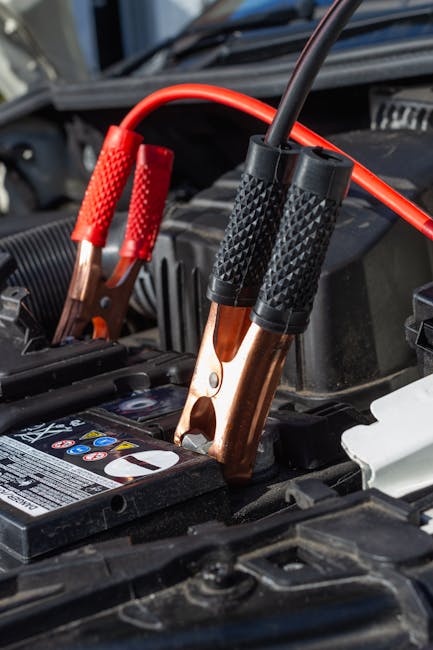
Electric Car Battery Life: The Ultimate Guide to Longevity
The promise of electric vehicles extends beyond zero tailpipe emissions; it also hinges on the longevity of their most critical component: the battery. As EVs become mainstream, a common concern for prospective and current owners alike is the lifespan of these sophisticated power packs. While initial anxieties about battery degradation were once widespread, modern EV batteries are engineered for durability, often outlasting the vehicle itself. However, their true lifespan isn’t solely dependent on manufacturing quality. It’s profoundly influenced by how owners charge, drive, and care for their vehicles. This comprehensive guide will demystify electric car battery life, exploring the factors that contribute to degradation and, more importantly, detailing practical strategies to maximize your EV battery’s health and ensure a long, reliable journey.
Understanding EV battery fundamentals
At the heart of every electric vehicle lies a sophisticated lithium-ion battery pack. These aren’t single cells but intricate systems comprising thousands of individual cells, managed by a Battery Management System (BMS). The BMS is crucial, overseeing voltage, temperature, and current flow to optimize performance and safety. While robust, all lithium-ion batteries experience gradual capacity loss, a phenomenon known as degradation. This degradation isn’t a sudden failure but a slow decline in the battery’s ability to hold a charge, primarily due to two types of aging: calendar aging and cycle aging.
Calendar aging refers to the natural chemical degradation that occurs over time, regardless of use. Factors like elevated temperatures and maintaining extreme states of charge (e.g., consistently at 100% or 0%) accelerate this process. Cycle aging, on the other hand, is directly related to the number of charge and discharge cycles the battery undergoes. Each time you charge and discharge your EV, the battery cells experience stress, leading to microscopic structural changes that slightly reduce their capacity. While manufacturers design batteries to withstand thousands of cycles, minimizing the depth of discharge and avoiding frequent full cycles can mitigate this effect. Understanding these inherent characteristics is the first step toward proactive battery care.
Optimal charging habits for longevity
How you charge your electric vehicle has the most significant impact on its battery’s long-term health. The golden rule for lithium-ion batteries is to avoid consistently charging to 100% and rarely letting it drop below 20%. The “sweet spot” for daily use is typically between 20% and 80% state of charge (SoC). Keeping the battery within this range reduces stress on the cells, as the extreme ends of the charge spectrum are where degradation accelerates most rapidly. For instance, charging to 100% regularly can strain the battery, especially if it then sits at that level for extended periods, as the cells are under higher internal voltage. Conversely, consistently draining the battery to near 0% also places undue stress, potentially leading to irreversible damage.
Another critical aspect is the use of DC fast charging (Level 3). While incredibly convenient for long trips, frequent reliance on fast charging can generate significant heat within the battery pack. High temperatures are a known accelerant for battery degradation. Modern EVs have sophisticated thermal management systems to counteract this, but consistent exposure to high heat from rapid charging can still take its toll over time. For daily commuting and overnight charging, slower Level 1 (standard wall outlet) or Level 2 (240V charger) AC charging is preferable, as it’s gentler on the battery cells, produces less heat, and typically aligns with the recommended 20-80% SoC range for optimal longevity. Save the fast chargers for when you truly need them.
Environmental factors and thermal management
The environment in which your EV operates and is parked plays a substantial role in battery health. Temperature extremes, particularly excessive heat, are detrimental to lithium-ion batteries. High temperatures accelerate the chemical reactions that cause degradation, both calendar and cycle aging. Parking your EV in direct sunlight during a heatwave can raise the battery’s internal temperature significantly, even when not in use. Conversely, extremely cold temperatures temporarily reduce battery performance and range, but the long-term impact on degradation is less severe compared to heat, especially if the battery is allowed to warm up gradually.
Modern electric vehicles are equipped with advanced thermal management systems to mitigate these risks. These systems actively heat or cool the battery pack to maintain an optimal operating temperature range, typically between 20-25°C (68-77°F). This might involve liquid cooling or heating elements. To support your car’s thermal management, consider these practices:
- Preconditioning: Many EVs allow you to precondition the cabin while still plugged in. This uses grid power to heat or cool the battery to an optimal temperature before driving, reducing the strain on the battery itself.
- Parking choices: Whenever possible, park in shaded areas or garages during hot weather. In extreme cold, parking indoors can help maintain a more favorable battery temperature.
- Remote monitoring: Utilize your car’s app to monitor battery temperature if available, especially during charging in extreme conditions.
Driving style and software optimization
While often overlooked, your driving style can subtly influence battery longevity. Aggressive driving, characterized by rapid acceleration and hard braking, places higher power demands on the battery, leading to more significant temperature fluctuations and increased stress on the cells. A smoother, more consistent driving style, on the other hand, contributes to better efficiency and less strain on the battery pack. Furthermore, embracing regenerative braking—where the electric motor acts as a generator to recapture kinetic energy and feed it back into the battery during deceleration—is beneficial. Not only does it improve efficiency, but it also reduces wear on mechanical brakes and provides a gentler way to slow down, minimizing abrupt power demands.
Software optimization is another unsung hero in battery longevity. Your EV’s Battery Management System (BMS) is constantly learning and adjusting. Manufacturers frequently release software updates that can refine charging algorithms, improve thermal management, and even optimize power delivery, all contributing to extended battery life. Ensuring your vehicle’s software is up-to-date is a simple yet effective maintenance step. Many warranties for EV batteries are also quite generous, often covering 8 years or 100,000 miles, guaranteeing a certain percentage of capacity retention. For example, Tesla’s warranty promises 70% capacity retention over 8 years or 100,000-150,000 miles, depending on the model.
Here’s a general outlook on expected battery degradation for typical EV usage:
| Year of ownership | Approximate capacity retention (%) | Cumulative mileage (assumed, miles) |
|---|---|---|
| 1 | 97-99% | 10,000 – 15,000 |
| 3 | 92-96% | 30,000 – 45,000 |
| 5 | 88-93% | 50,000 – 75,000 |
| 8 | 80-87% | 80,000 – 120,000 |
| 10+ | 70-80% | 100,000 – 150,000+ |
Note: These figures are general estimates and can vary significantly based on battery chemistry, thermal management, individual usage patterns, and environmental conditions.
Conclusion
The journey through understanding and maximizing electric car battery life reveals that while degradation is an inevitable aspect of lithium-ion chemistry, its pace is largely within the owner’s control. From adhering to the 20-80% charging sweet spot and prioritizing slower charging methods to judiciously managing environmental factors like temperature, every action contributes to the longevity of your EV’s most vital component. A smooth driving style, leveraging regenerative braking, and ensuring timely software updates further refine these efforts. Modern EV batteries are robust, designed to last many years and miles, often surpassing the vehicle’s structural lifespan. By adopting these practical habits, you’re not just preserving range; you’re safeguarding your investment, ensuring a reliable, efficient, and extended life for your electric vehicle. Ultimately, an informed and proactive approach is the ultimate guide to unparalleled battery longevity.
Related posts
- Remembering Dr. Tom Smith: Chadron State College’s Heartfelt Tribute
- The Weekly Devotion: Deepen Your Faith & Spiritual Growth
- Vienna 1900 Reimagined: Markus Schinwalds Cinematic Stage Unveiled at MAK
- The Enduring Legacy of Patrick J. F. Gratton
- The Pixel 10A and Soundcore Space One are just two of the best deals this week
Image by: Daniel @ bestjumpstarterreview.com
https://www.pexels.com/@daniel-bestjumpstarterreview-com-3750282