

Colorado EV Owner Reveals Shocking Secret: How to Get Free Tires When Your Electric Car ‘Eats’ Them

Colorado EV Owner Reveals Shocking Secret: How to Get Free Tires When Your Electric Car 'Eats' Them
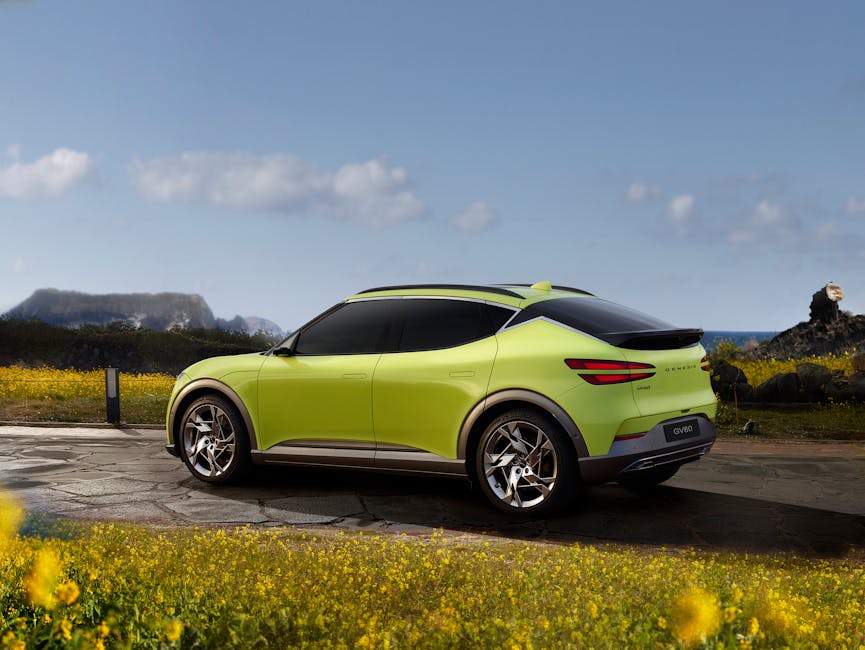
The hum of an electric vehicle is often synonymous with savings and a greener footprint. However, a silent cost can often catch new EV owners by surprise: the accelerated wear and tear on tires. Electric cars, with their instantaneous torque, heavier battery packs, and efficient regenerative braking, put unique demands on their rubber, leading to what many owners describe as their vehicles ‘eating’ tires at an alarming rate. This unexpected expense can significantly offset the fuel savings, leaving many wondering if there’s a secret to mitigating this inevitable cost. For Colorado EV owners, the quest for tire longevity and cost efficiency is particularly relevant, given the state’s diverse driving conditions. We’re about to unveil a comprehensive strategy that reveals not a magic trick, but a shocking truth about how savvy EV owners can drastically reduce or even virtually eliminate the out-ofpocket expense of new tires, transforming what seems like an unavoidable cost into a manageable, often “free” benefit.
The electric vehicle tire dilemma
Electric vehicles (EVs) are celebrated for their efficiency and performance, but beneath the quiet propulsion lies a less-talked-about reality: their propensity to wear out tires faster than their gasoline-powered counterparts. This isn’t a design flaw but rather a consequence of fundamental physics and engineering choices. First, EVs are inherently heavier due to their large battery packs. This increased mass translates to greater force exerted on the tires, particularly during cornering and braking, accelerating tread wear. Second, the instant torque delivered by electric motors provides exhilarating acceleration but also subjects tires to immense stress upon launch. Unlike internal combustion engines that build power gradually, EVs unleash maximum torque immediately, causing more friction and scrub on the tire surface. Finally, regenerative braking, a hallmark of EV efficiency, works by using the electric motor to slow the car, converting kinetic energy back into electricity. While efficient, this system can apply uneven or more aggressive braking forces to the tires, especially if not modulated smoothly by the driver. All these factors combine to create a perfect storm for premature tire wear, often reducing tire lifespan by 20-30% compared to traditional vehicles and necessitating more frequent, and often more expensive, replacements due to the specialized nature of EV tires.
Uncovering the “secret”: warranty wisdom and manufacturer programs
The “shocking secret” isn’t a hidden coupon code or a government handout; it’s the intelligent utilization of existing warranties and manufacturer programs that many EV owners simply overlook. Most premium tires, including those often factory-fitted on EVs, come with a manufacturer’s treadwear warranty, typically guaranteeing a certain mileage (e.g., 40,000 to 60,000 miles). If your tires wear out before reaching this promised mileage due to normal driving, you may be eligible for a pro-rated credit towards a new set. This means the tire manufacturer covers a percentage of the replacement cost based on the unused portion of the warranty. Additionally, many tire retailers and even vehicle dealerships offer road hazard protection plans. These plans, often purchased at a modest upfront cost, cover damage from potholes, nails, or other road debris that are not typically covered by standard warranties. For EV owners, who often invest in specialized and more expensive low-rolling-resistance or high-load-capacity tires, these plans can be invaluable. Some EV manufacturers also have specific programs or preferred partnerships with tire brands that might offer discounts or extended services, especially for their high-performance models. Being proactive and understanding the fine print of these policies is the first step towards transforming a potential full-price replacement into a significantly subsidized, or even “free,” tire acquisition.
To illustrate the potential impact of warranties and protection plans, consider the following hypothetical data:
| Tire Type / Program | Average OEM Treadwear Warranty (Miles) | Typical EV Tire Lifespan (Miles) | Potential Pro-Rated Coverage Example (for 50% wear at 50% warranty) | Road Hazard Protection Value (Estimated) |
|---|---|---|---|---|
| Standard EV Tire (e.g., Michelin Pilot Sport EV) | 40,000 – 50,000 | 25,000 – 35,000 | Up to 50% off new tire set (if worn at 25k on a 50k warranty) | 100% replacement for irreparable damage (e.g., sidewall puncture) |
| Premium EV Tire (e.g., Pirelli P Zero EV) | 30,000 – 40,000 | 20,000 – 30,000 | Up to 30% off new tire set (if worn at 20k on a 30k warranty) | 100% replacement for irreparable damage |
Note: Actual coverage and values vary significantly based on specific tire brand, model, warranty terms, and the purchased road hazard plan.
Leveraging local incentives and dealer goodwill
For Colorado EV owners, local resources and strategic relationships can add another layer of savings. While direct state incentives for free tires are rare, Colorado’s strong commitment to EV adoption often fosters an environment where dealerships are keen to retain EV customers. Building a good relationship with your local EV dealer or preferred service center can pay dividends. Many dealerships offer loyalty programs, special discounts on maintenance packages, or exclusive pricing on tires for their EV clientele, especially if you purchased the vehicle from them. Don’t hesitate to inquire about these “unadvertised” benefits. Furthermore, independent tire shops in Colorado, often vying for business, might offer more competitive pricing or bundle deals that include services like free rotations and alignments for the life of the tires – crucial for maximizing EV tire longevity. Some local EV owner groups or communities within Colorado also share insights on which specific tire brands perform best for local conditions (e.g., mountain driving, varying temperatures) and where to find the best deals. Engaging with these communities can uncover valuable local knowledge that translates directly into savings, whether through group discounts or recommendations for shops known for excellent service and fair pricing on EV-specific tires. It’s about being an informed consumer and actively seeking out advantages within your local ecosystem.
Proactive ownership for tire longevity and savings
While warranties and local deals can secure “free” or heavily discounted tires, the ultimate “secret” to long-term savings lies in proactive ownership and smart driving habits. Even the most robust warranty won’t cover tires that are prematurely worn due to neglect or aggressive driving. Firstly, driving style plays a significant role. While the instant torque of an EV is fun, frequent hard acceleration and braking will rapidly degrade tires. Smooth, controlled driving, allowing regenerative braking to work efficiently without heavy reliance on friction brakes, will extend tire life considerably. Secondly, meticulous maintenance is non-negotiable. Regular tire rotations (every 5,000 to 7,500 miles, or as recommended by the manufacturer) are paramount for even wear, especially given the differing torque distribution on EV axles. Proper tire pressure, checked monthly, reduces rolling resistance, improves efficiency, and prevents uneven wear. Wheel alignments, particularly after hitting potholes or curb checks, ensure that all tires are tracking straight and not scrubbing. Lastly, when it is time to purchase new tires, research carefully. While OEM tires are designed for your EV, suitable aftermarket alternatives can sometimes offer a better balance of price, performance, and longevity. Invest in quality tires designed for the unique demands of an EV, considering factors like load rating, noise reduction, and rolling resistance, to ensure the best return on your investment.
The phenomenon of electric vehicles “eating” tires is a well-documented reality for many owners, leading to unexpected costs that can diminish the financial appeal of EV ownership. As we’ve explored, the “shocking secret” to navigating this challenge, particularly for Colorado EV drivers, isn’t a single magical solution but rather a multi-faceted approach centered on awareness, utilization, and proactive management. By diligently understanding and leveraging manufacturer treadwear warranties, investing in road hazard protection plans, and actively engaging with local dealerships and EV communities for potential discounts or loyalty programs, owners can significantly reduce their out-of-pocket expenses. These strategies transform the typical tire replacement cost into a pro-rated credit or a fully covered expense in many scenarios. Furthermore, adopting smart driving habits and committing to meticulous tire maintenance – including regular rotations, correct pressure, and timely alignments – remains critical for extending tire lifespan and maximizing the benefits derived from any warranty or protection. Ultimately, while the initial sticker shock of EV tire wear can be daunting, a well-informed and proactive ownership strategy empowers drivers to keep their electric cars running smoothly and affordably, ensuring that the environmental and economic benefits of EV ownership truly shine through.
No related posts
Image by: Hyundai Motor Group
https://www.pexels.com/@hyundaimotorgroup