
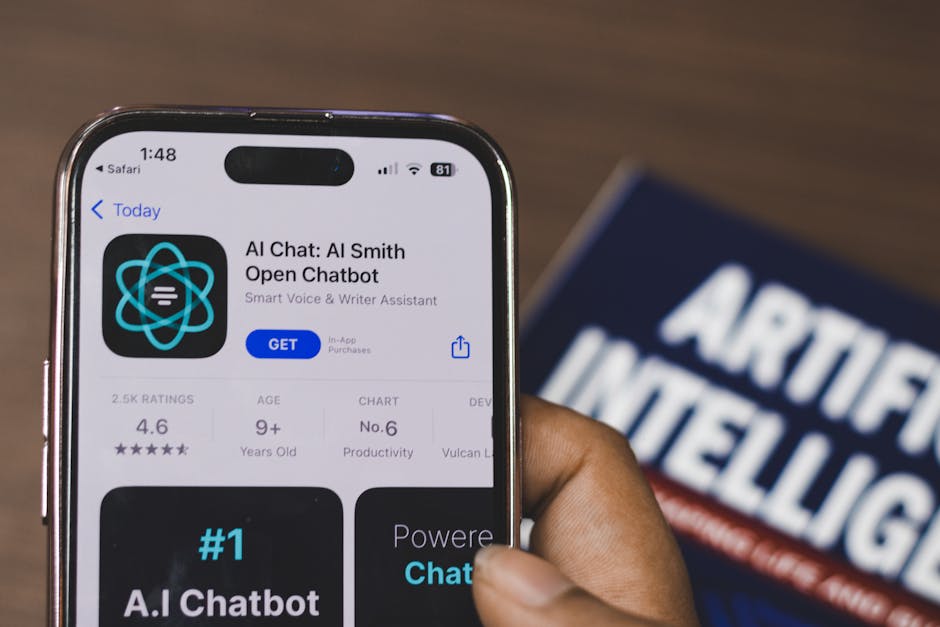
Voice AI and Chatbots: Speaking Up for India's Digital Transformation
India‘s digital transformation is accelerating as businesses and public services embrace conversational technologies. Voice AI and chatbots are moving beyond novelty to become core components of customer engagement, operational efficiency, and inclusive access. With a growing smartphone penetration and diverse linguistic landscape, these tools offer a bridge between technology and the vast majority of Indians who prefer interacting in their native languages. This article explores how voice‑enabled assistants and chat‑based bots are reshaping sectors ranging from banking to healthcare, examines the policy frameworks driving adoption, highlights real‑world use cases, and discusses the hurdles that must be overcome to unlock their full potential.
The rise of voice ai in indian enterprises
Indian companies are increasingly deploying voice AI to handle routine inquiries, automate workflows, and provide personalized experiences. In banking, voice‑based virtual assistants enable customers to check balances, transfer funds, or block cards using natural speech, reducing call‑center load by up to 30 %. Retail chains use voice search to let shoppers find products in regional languages, boosting conversion rates especially in tier‑2 and tier‑3 cities. Manufacturing firms integrate voice commands on the shop floor for hands‑free equipment control, improving safety and productivity. The ability to understand accents, code‑mixed speech, and colloquial expressions has become a key differentiator, prompting vendors to invest in India‑specific language models.
Chatbots transforming customer service
Chatbots have evolved from scripted FAQ responders to context‑aware agents capable of handling multi‑turn conversations. E‑commerce platforms report that AI‑driven chatbots resolve 45 % of post‑purchase queries without human intervention, leading to faster refunds and higher satisfaction scores. In healthcare, symptom‑checking bots guide users to appropriate care pathways, alleviating pressure on overburdened clinics. The table below illustrates adoption metrics across select sectors as of 2024:
| Sector | Chatbot Penetration | Average Cost Saving |
|---|---|---|
| Banking | 62 % | 28 % |
| Retail | 48 % | 22 % |
| Healthcare | 35 % | 19 % |
| Telecom | 55 % | 25 % |
These figures underscore the tangible business value of automating front‑line interactions while maintaining a human‑like touch.
Government initiatives and policy support
Recognizing the strategic importance of conversational AI, the Indian government has launched several programs to foster innovation and ensure inclusive access. The “AI for All” initiative funds startups developing vernacular voice models, while the National Digital Health Mission mandates multilingual chatbot support for tele‑consultation services. Regulatory sandboxes hosted by the Reserve Bank of India allow fintech firms to test voice‑based payment solutions under supervised conditions. Additionally, the Ministry of Electronics and Information Technology has issued guidelines on data privacy and bias mitigation, compelling developers to adopt transparent AI practices. Such policies not only accelerate deployment but also build public trust in emerging technologies.
Challenges and future outlook
Despite rapid progress, several obstacles remain. Data scarcity for low‑resource languages hampers model accuracy, and the cost of deploying high‑performance voice infrastructure can be prohibitive for small enterprises. Interoperability between legacy systems and new AI platforms often requires significant integration effort. Moreover, ensuring ethical use—preventing misuse of voice deepfakes and safeguarding user consent—demands ongoing vigilance. Looking ahead, advancements in edge AI, federated learning, and open‑source language models are expected to lower barriers and expand reach. As voice AI and chatbots become more adept at handling complex, multilingual dialogues, they will play a pivotal role in making India’s digital transformation truly inclusive and sustainable.
In summary, voice AI and chatbots are no longer experimental add‑ons but essential drivers of efficiency, accessibility, and customer satisfaction across India’s economic landscape. Their growth is propelled by enterprise adoption, supportive government policies, and a maturing ecosystem of local language technologies. While challenges related to data, integration, and ethics persist, the trajectory points toward broader, more sophisticated utilization. Stakeholders that invest in robust, culturally aware conversational solutions stand to gain competitive advantage and contribute to a digitally empowered nation.
Related posts
Image by: Sanket Mishra
https://www.pexels.com/@sanketgraphy