

Devils on the Moon: Pinball Score-Chasing Comes to Playdate
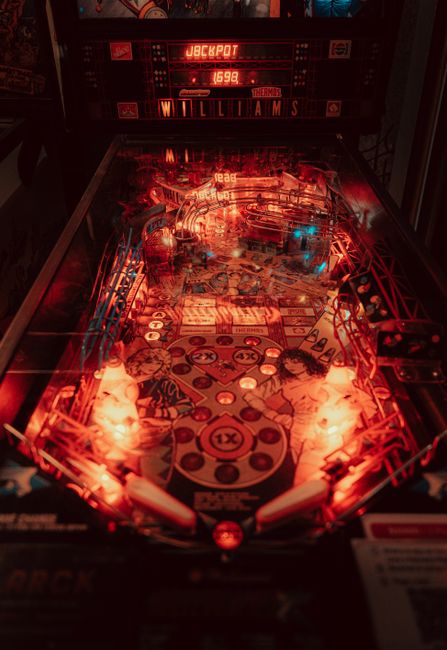
Devils on the Moon: Pinball score-chasing comes to Playdate
Get ready for a cosmic clash of flippers and plungers as the beloved pinball simulation, Devils on the Moon, makes its highly anticipated debut on the innovative Playdate handheld gaming device. This exciting crossover brings the thrill of high-score chasing and strategic ball management to a whole new platform, promising an engaging experience for both seasoned pinball enthusiasts and newcomers alike. In this exploration, we’ll dive into what makes Devils on the Moon a standout title, how its unique features translate to the Playdate’s distinctive hardware, and why this release is a significant moment for indie gaming and retro-inspired fun.
The essence of Devils on the Moon
At its core, Devils on the Moon is a love letter to classic pinball machines, meticulously crafted to capture the tactile feel and strategic depth of arcade favorites. The game isn’t just about randomly hitting targets; it’s a carefully designed challenge that rewards precision, timing, and an understanding of intricate scoring mechanics. Players are tasked with navigating a lunar-themed table, aiming for multiball modes, completing objectives, and ultimately achieving the highest score possible. The “devils” in the title refer to the challenging multiball phases and the persistent, almost mischievous nature of the ball itself, which can quickly slip away if you’re not paying attention.
The game boasts several key features that contribute to its addictive gameplay loop:
- Dynamic Table Design: Each table in Devils on the Moon is a miniature world filled with ramps, bumpers, spinners, and unique objectives that dynamically change the flow of the game.
- Deep Scoring Mechanics: Beyond simple points, players can engage in complex combos, skill shots, and bonus multipliers, encouraging a strategic approach to every launch.
- Authentic Physics: The developers have invested heavily in simulating realistic pinball physics, ensuring that the ball behaves predictably yet excitingly, much like its real-world counterpart.
- Thematic Immersion: The lunar setting provides a visually distinct and engaging backdrop, with creative artwork and sound design that pulls players into the otherworldly experience.
Playdate’s unique appeal and the Devils’ adaptation
The Playdate console, with its crank, black-and-white screen, and distinctive button layout, offers a refreshing departure from the norm in the gaming world. Its focus on portability, unique input methods, and indie developer support makes it an ideal home for titles that prioritize gameplay innovation and charm. The adaptation of Devils on the Moon for the Playdate is particularly noteworthy. The game’s visual style, often leaning towards a retro aesthetic, translates beautifully to the Playdate’s crisp monochrome display. Furthermore, the game’s core mechanics are perfectly suited to the console’s tactile controls.
Consider how the Playdate’s features enhance the pinball experience:
- The Crank as a Flipper Control: While not explicitly stated, the potential for the crank to offer a nuanced flipper control – perhaps for fine-tuning shots or activating special abilities – is an exciting prospect for emergent gameplay.
- Monochrome Aesthetics: The black-and-white screen can lend a stylish, almost vintage arcade feel to the pinball table, emphasizing the playfield’s layout and critical targets.
- Portability: The compact nature of the Playdate means that competitive pinball sessions can happen anywhere, transforming downtime into intense score-chasing moments.
Score-chasing and the community impact
The heart of any good pinball game, especially one with a title like Devils on the Moon, lies in the pursuit of the high score. This competitive element fosters a dedicated community of players constantly striving to outdo each other. The Playdate’s arrival for this title opens up new avenues for this score-chasing culture. Leaderboards, whether integrated directly into the game or managed through community efforts, will undoubtedly become focal points for players. The portability of the Playdate also means that impromptu high-score challenges among friends can become a common occurrence.
The competitive landscape is often fueled by data and performance metrics. While specific data for Devils on the Moon on Playdate is still emerging, the general trends in pinball score-chasing can be illustrated:
| Metric | Typical Player Goal | Advanced Strategy |
|---|---|---|
| Single Ball Score | Achieve a respectable score before losing the ball. | Mastering specific shots and combos to maximize points per ball. |
| Multiball Efficiency | Initiate and survive multiball modes. | Strategically activating multiball at opportune moments to rack up huge points. |
| Objective Completion | Hit key targets and complete mini-games. | Completing objectives in a specific order for maximum bonus multipliers. |
| Total Game Score | Achieve the highest score possible across multiple balls. | Balancing risk and reward, understanding when to play conservatively and when to go for broke. |
The future of indie pinball on innovative platforms
The release of Devils on the Moon on the Playdate is more than just a new game port; it represents a significant trend in the indie gaming landscape. It highlights how innovative platforms can breathe new life into classic genres, offering fresh perspectives and unique gameplay experiences. For developers, platforms like the Playdate provide a fertile ground for creative expression, allowing them to reach passionate audiences who appreciate distinct gaming experiences. This partnership between a beloved pinball simulation and a quirky, forward-thinking console is a testament to the enduring appeal of skill-based arcade games and the exciting possibilities that arise when tradition meets innovation.
This collaboration serves as a powerful example for future indie game releases:
- Genre Revitalization: Classic genres like pinball can be reinvented for modern, niche platforms.
- Developer-Platform Synergy: Games can be designed to specifically leverage the unique features of a console, enhancing player engagement.
- Community Building: Dedicated communities form around games that offer deep replayability and competitive elements.
- Indie Game Showcase: The Playdate acts as a platform for unique, often retro-inspired indie titles to find their audience.
In conclusion, the arrival of Devils on the Moon on the Playdate marks an exciting development for pinball fans and enthusiasts of the unique handheld console. This release seamlessly blends the strategic depth and score-chasing thrills of a classic arcade experience with the innovative hardware and charming monochrome aesthetic of the Playdate. We’ve explored how the game’s core features, from its dynamic table design and deep scoring mechanics to its authentic physics and thematic immersion, translate effectively to this new platform. The Playdate’s distinct controls, including the potential for the crank to influence gameplay, offer exciting possibilities for a fresh take on pinball. The inherent score-chasing nature of Devils on the Moon is poised to thrive within the Playdate community, fostering new rivalries and shared achievements. Ultimately, this collaboration underscores the vibrant future of indie gaming, demonstrating how established genres can be revitalized on innovative platforms, creating unique and compelling experiences for a dedicated audience.
No related posts
Image by: Andres Idda Bianchi
https://www.pexels.com/@davincidelasfotos


