

Go MAD April 2-4: Essential Insights and Future Trends

Go MAD April 2-4: Essential Insights and Future Trends
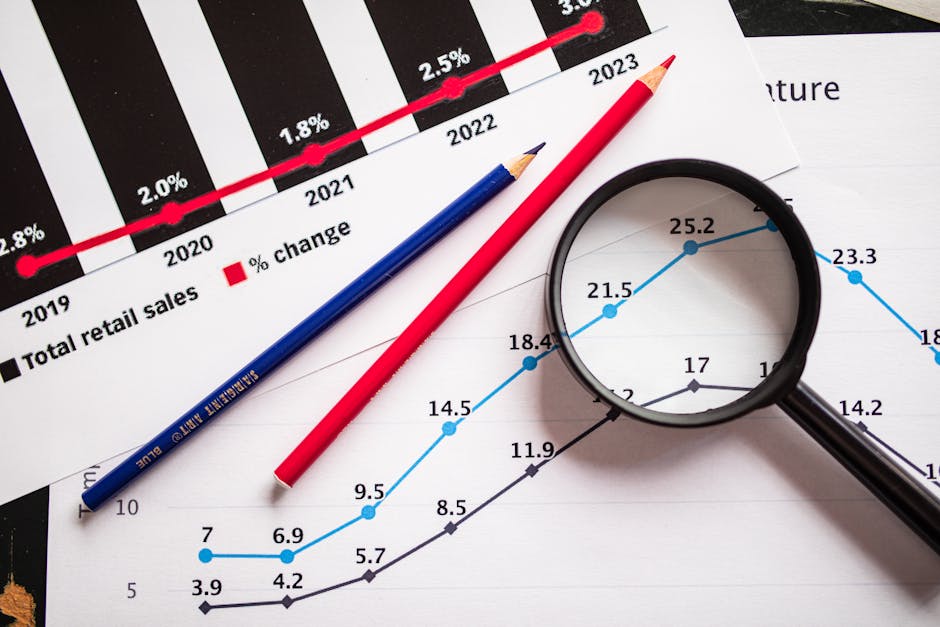
The period encompassing April 2-4 emerges as a critical juncture for those navigating the ever-evolving landscape of Media, Advertising, and Digital (MAD) industries. This timeframe serves as an opportune moment for industry leaders, marketers, and innovators to “Go MAD” – to deeply immerse themselves in and critically analyze the essential insights and groundbreaking trends shaping our digital future. From shifts in consumer behavior driven by advanced algorithms to the ethical considerations surrounding AI in advertising, the pace of change is relentless. This article delves into the transformative forces at play, exploring how technological advancements, data intelligence, and novel engagement strategies are redefining success in the MAD world, offering a roadmap for strategic foresight and impactful innovation in the coming months and years.
Decoding the digital shift and consumer behavior
The accelerating digital transformation has fundamentally reshaped how consumers interact with brands and content. This shift is not merely about increased screen time but signifies a profound evolution in user expectations and engagement patterns. Today’s consumers demand personalized, seamless experiences across multiple touchpoints, from social media platforms to immersive digital environments. Data has become the bedrock of understanding this complex behavior. Through advanced analytics and machine learning, businesses can now glean unprecedented insights into individual preferences, predict future actions, and tailor communication with remarkable precision. The challenge lies in moving beyond superficial metrics to truly understand the emotional drivers and unmet needs that shape consumer decisions. Brands that excel are those actively mapping the fragmented consumer journey, identifying micro-moments of intent, and delivering value at each stage. This requires a dynamic approach to content and communication, adapting in real time to feedback and emerging trends, fostering genuine connections rather than merely broadcasting messages.
The evolving ad tech landscape: new frontiers and ethical considerations
Advertising technology (ad tech) continues its rapid evolution, introducing both powerful new capabilities and complex ethical dilemmas. Programmatic advertising, powered by sophisticated algorithms, has moved beyond simple automation to enable highly targeted campaigns, optimizing bids and placements in milliseconds. Artificial intelligence and machine learning are now integral, enhancing everything from audience segmentation and creative optimization to fraud detection. However, this technological leap brings increased scrutiny regarding data privacy and transparency. With the deprecation of third-party cookies looming, marketers are scrambling to find alternative, privacy-preserving methods for tracking and targeting, such as first-party data strategies and contextual advertising. Ethical AI in advertising is no longer a niche concern but a mainstream imperative, focusing on algorithmic fairness, bias mitigation, and consumer consent. The industry must navigate these waters carefully, balancing personalization with privacy, and innovation with responsibility, to maintain consumer trust and ensure sustainable growth.
| Feature | Traditional advertising | Programmatic advertising |
|---|---|---|
| Targeting | Broad demographics, mass reach | Hyper-specific audiences, behavioral data |
| Cost Model | Fixed rates, negotiated upfront | Real-time bidding (RTB), dynamic pricing |
| Measurement | Post-campaign reports, surveys | Real-time analytics, granular performance data |
| Flexibility | Low, long lead times for changes | High, instant optimization and adjustments |
| Personalization | Limited, segment-based | High, individual ad delivery |
Content innovation and audience engagement strategies
In a world saturated with information, innovative content and compelling engagement strategies are paramount for cutting through the noise. Static, one-way communication is giving way to interactive, immersive, and highly personalized content experiences. Short-form video continues its dominance, driven by platforms like TikTok, while live streaming offers authentic, real-time connections between brands and their audiences. The creator economy empowers individuals to generate highly engaging content, fostering communities around shared interests, and brands are increasingly leveraging these creators for authentic influence. Beyond formats, personalization at scale is critical; sophisticated algorithms now recommend content tailored to individual tastes, transforming passive consumption into active discovery. Building genuine audience engagement, however, goes beyond algorithms; it involves fostering communities, facilitating user-generated content, and creating opportunities for authentic dialogue. Brands are evolving into curators and facilitators, providing platforms and tools for users to connect with each other and the brand’s values, forging deeper, more resilient relationships.
Future trends and strategic foresight in MAD
Looking ahead, the MAD industries are poised for further disruptive innovation driven by nascent technologies. The metaverse, while still in its infancy, promises new frontiers for immersive brand experiences, virtual commerce, and novel forms of social interaction. Brands are already experimenting with digital twins, virtual stores, and NFT-based loyalty programs, signaling a shift towards persistent, interoperable digital identities and economies. Web3, with its focus on decentralization and user ownership, could fundamentally alter how data is managed, how content is monetized, and how communities are governed, potentially empowering consumers and creators in unprecedented ways. Furthermore, artificial intelligence will continue to permeate every aspect of the MAD ecosystem, from generative AI assisting in content creation to advanced predictive analytics informing strategic decisions. Sustainability and ethical brand practices are also emerging as non-negotiable differentiators. Consumers are increasingly scrutinizing brand values, demanding transparency and accountability. Strategic foresight in this environment means not just reacting to trends but actively shaping them, integrating emerging technologies responsibly, and aligning business goals with broader societal values to build resilient and future-proof enterprises.
Conclusion
The “Go MAD” period of April 2-4 serves as a potent reminder of the incredible dynamism within the Media, Advertising, and Digital sectors. We’ve explored the profound impact of the digital shift on consumer behavior, emphasizing the critical need for data-driven personalization and deep journey mapping. The evolving ad tech landscape highlighted the twin forces of technological advancement and ethical imperative, underscoring the shift towards privacy-centric solutions and responsible AI. Our discussion on content innovation revealed the power of immersive experiences and community building, moving beyond traditional broadcasting to authentic engagement. Finally, peering into the future, we glimpsed the transformative potential of the metaverse, Web3, and advanced AI, alongside the growing significance of ethical brand stewardship. The ultimate conclusion is clear: adaptability, a commitment to ethical practices, intelligent use of data, and relentless innovation in engagement are not merely advantages but necessities for survival and success in this exhilarating, ever-changing landscape. Proactive engagement with these trends, rather than passive observation, will define the leaders of tomorrow.
Related posts
- The entire story of Twitter / X under Elon Musk
- Logitech CEO Hanneke Faber wants your next mouse to last forever
- Nintendo Switch 2: everything we know about the long-rumored Switch successor
- Nintendo Switch Pro: everything we know about the long-rumored 4k Switch
- Top tech conferences: The ultimate tech events guide for 2023
Image by: RDNE Stock project
https://www.pexels.com/@rdne