
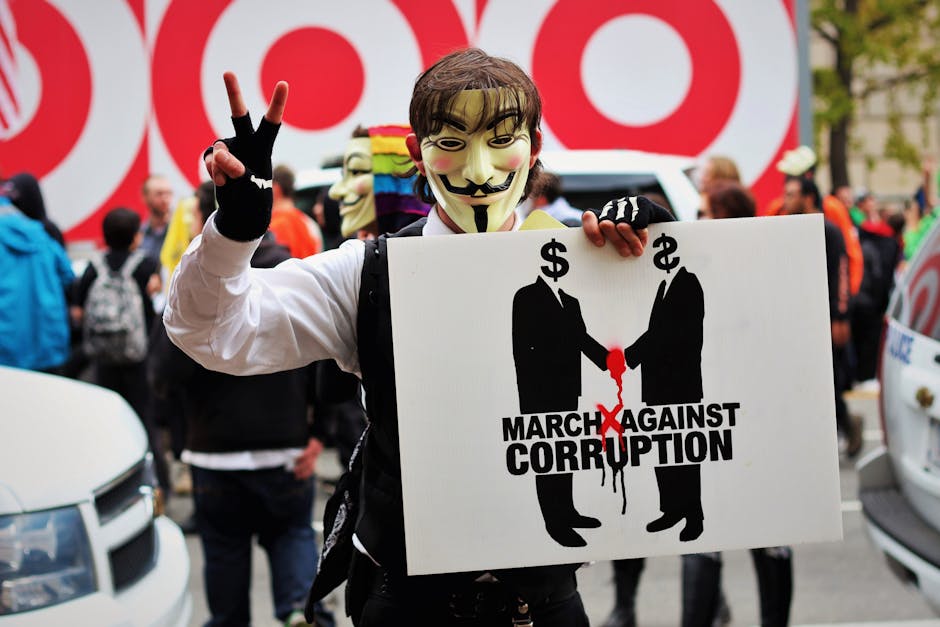
Ukraine Corruption Crackdown: Ex-Energy Minister Faces Charges
Ukraine’s unwavering commitment to combating deep-rooted corruption is once again in the international spotlight, as a high-profile investigation culminates in charges against a former energy minister. This significant development underscores the nation’s intensified efforts to cleanse its public sector and uphold the rule of law, critical steps for its democratic development and European integration aspirations. The crackdown signals a clear message: accountability will be pursued at all levels, regardless of past position or influence. This article delves into the specifics of this pivotal case, examining the broader implications for Ukraine’s anti-corruption framework, its standing on the global stage, and the persistent challenges encountered on its path towards greater transparency and good governance.
The intensifying battle against corruption
Ukraine has long grappled with the pervasive issue of corruption, a systemic challenge inherited from its Soviet past and exacerbated by periods of political instability. However, following the 2014 Revolution of Dignity and particularly since the full-scale invasion in 2022, the drive for transparency and accountability has become an urgent national priority. International partners, including the European Union, the International Monetary Fund, and the United States, have consistently conditioned financial aid and support on tangible progress in anti-corruption reforms. This pressure, combined with strong internal public demand, has led to the establishment of specialized independent bodies such as the National Anti-Corruption Bureau of Ukraine (NABU), the Specialized Anti-Corruption Prosecutor’s Office (SAPO), and the High Anti-Corruption Court (HACC). These institutions are specifically mandated to investigate, prosecute, and adjudicate high-level corruption cases, marking a significant departure from previous, less effective approaches. The current political leadership has repeatedly emphasized that combating corruption is essential not only for internal stability but also for securing Ukraine’s future as a democratic, European nation.
Charges against a former energy minister
The recent charges against a former energy minister represent a tangible outcome of these intensified anti-corruption efforts. While specifics can vary, such cases typically involve allegations ranging from large-scale embezzlement of state funds to illicit enrichment and abuse of official position. These charges often stem from complex schemes related to state-owned enterprises, procurement contracts, or the misappropriation of natural resources. For instance, investigations might uncover intricate networks designed to funnel public money into private hands through inflated contracts or the sale of state assets at preferential rates. The involvement of NABU and SAPO in preparing and filing these charges highlights the institutional capacity now dedicated to pursuing high-level officials. The focus is often on recovering assets and ensuring that those who allegedly exploited their public office for personal gain face judicial accountability. The former energy minister, like any accused individual, is entitled to a fair trial, where the prosecution will present its evidence and the defense will have the opportunity to refute the allegations.
Here is a summary of typical allegations in high-profile corruption cases in Ukraine:
| Allegation Type | Description | Example Context |
|---|---|---|
| Embezzlement | Illicit appropriation of funds or assets entrusted to one’s care. | Misdirection of state budget allocations for energy projects. |
| Abuse of power | Using official authority for personal gain or to harm others. | Influencing tenders or appointments for personal benefit. |
| Illicit enrichment | Possessing assets disproportionate to legal income, unexplained wealth. | Acquisition of luxury properties or businesses without clear legal source of funds. |
| Bribery | Offering or accepting something of value in exchange for influence. | Receiving kickbacks for awarding lucrative energy contracts. |
Implications for Ukraine’s european integration
The prosecution of high-ranking officials on corruption charges is a cornerstone of Ukraine’s journey towards full membership in the European Union. EU accession demands rigorous adherence to the rule of law, robust democratic institutions, and a proven track record in combating corruption. Each successful investigation and prosecution, especially involving individuals from previous governments, reinforces Ukraine’s commitment to meeting these stringent criteria. These actions are closely monitored by Brussels and other international partners, serving as tangible proof that reforms are not merely superficial but are genuinely impacting the highest echelons of power. Such crackdowns aim to rebuild trust among international investors who have historically been wary of Ukraine’s business environment due to corruption risks. A cleaner, more predictable legal and economic landscape is vital for attracting foreign direct investment, which is crucial for Ukraine’s post-war reconstruction and long-term economic prosperity. The message sent by these cases is clear: Ukraine is serious about aligning its standards with those of Europe, fostering a transparent and accountable state.
Challenges and the path forward
Despite significant progress, Ukraine’s anti-corruption fight faces considerable challenges. Prosecuting high-level corruption can be an arduous process, often involving complex financial trails, international cooperation, and powerful individuals who may attempt to obstruct justice. Resistance from entrenched interests, bureaucratic hurdles, and the need for continuous judicial reform remain significant obstacles. Moreover, maintaining public trust in the integrity of these institutions, particularly during wartime, is paramount. The long duration of trials, potential appeals, and the political sensitivity of such cases can sometimes test public patience and create skepticism. For Ukraine to sustain its momentum, it must ensure the continued independence and adequate resourcing of its anti-corruption bodies. Strengthening legal frameworks, protecting whistleblowers, and fostering a culture of zero tolerance for corruption across all levels of society are vital for enduring success. The path forward requires unwavering political will, consistent application of the law, and continued support from civil society and international partners to solidify a genuinely transparent and accountable Ukraine.
The charges brought against a former energy minister represent a critical juncture in Ukraine’s ongoing struggle against systemic corruption. This high-profile case is not an isolated incident but rather a testament to the nation’s deepening commitment to institutional reform and the rule of law, driven by both internal resolve and external expectations from its international allies. Such actions are indispensable for demonstrating Ukraine’s readiness to align with European standards, fostering a transparent governance model, and ultimately securing its place within the European Union. While the road ahead is undoubtedly fraught with challenges, including potential resistance and the complexities of high-level prosecutions, the relentless pursuit of accountability sends a powerful signal. It underscores that no individual is above the law and that the future of Ukraine hinges on its ability to build a society where corruption is systematically rooted out, paving the way for sustainable development, economic growth, and strengthened democratic institutions.
Related posts
- Suzann Victor’s City Lantern Dazzles at Art Basel Hong Kong 2026: A Must-See Art Installation
- Lori Borgman’s “Burping the House”: Essential Tips for a Breath of Fresh Air
- OPSWAT Appoints Jan Miller as CTO: Advancing Perimeter Threat Detection
- Eufy’s midrange X10 Pro Omni robovac has fallen to its best-ever price
- Discover Off-Road Thrills: PAACE Event Empowers Young Adventurers
Image by: Vincent M.A. Janssen
https://www.pexels.com/@vincent-ma-janssen