
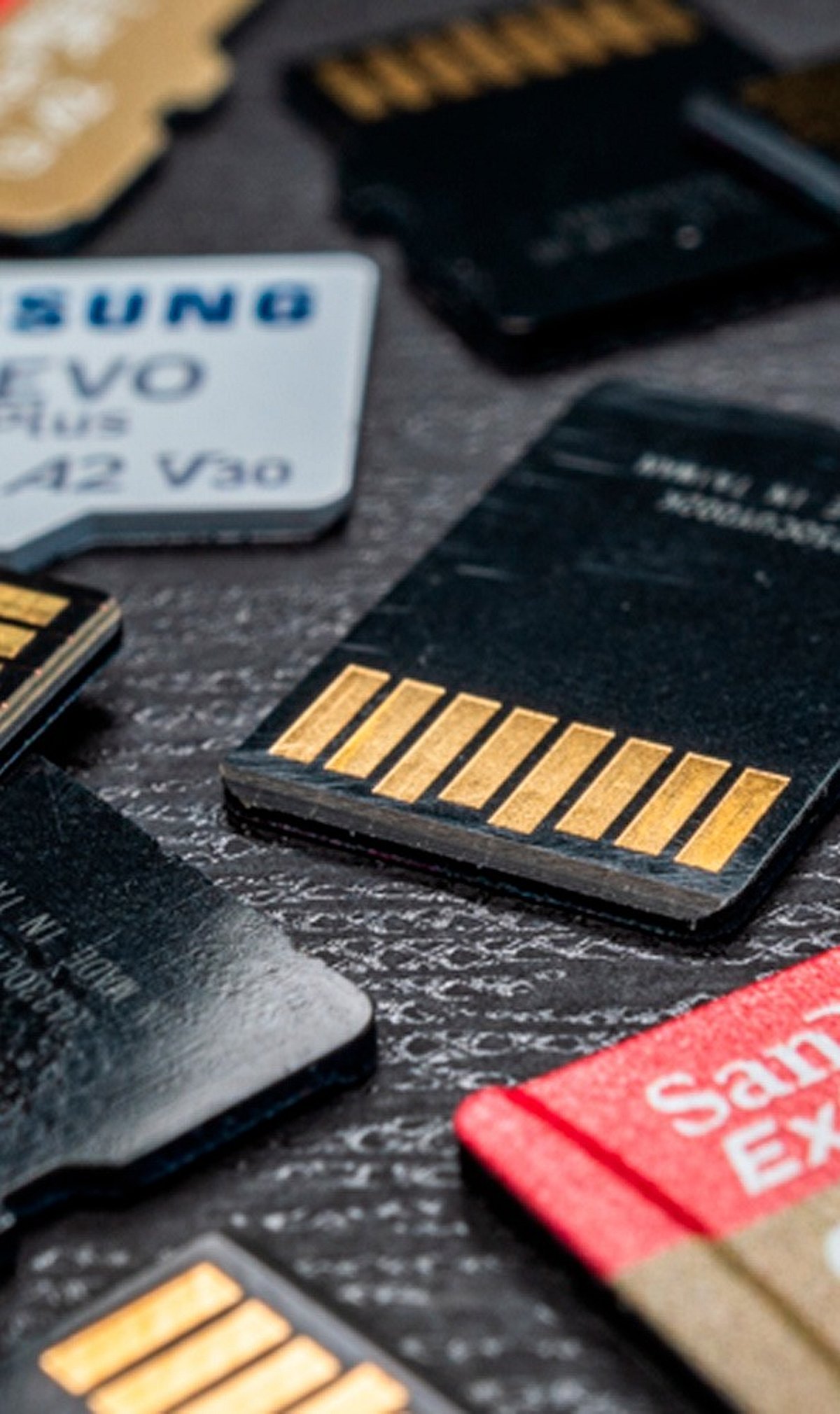
Best Camera Memory Cards 2026: SD, MicroSD & CFexpress
The year 2026 marks a pivotal point for digital photography and videography, where the pursuit of cinematic 4K and breathtaking 8K content is no longer exclusive to elite professionals but increasingly accessible to enthusiasts. This technological leap, however, places immense demands on every component of a camera system, none more critical than the memory card. The speed, capacity, and reliability of your storage medium directly dictate your camera’s performance, from continuous burst shooting to flawless high-resolution video capture. In this comprehensive guide, we delve into the world of memory cards for cameras in 2026, exploring the best options across SD, microSD, CFexpress, and even the enduring presence of CompactFlash (CF) to help you make informed decisions for your advanced imaging needs.
The evolving landscape of camera storage in 2026
As cameras continue their relentless march towards higher resolutions and faster frame rates, the humble memory card has transformed from a simple storage device into a sophisticated component essential for peak performance. In 2026, capturing stunning 4K and native 8K video, often in demanding RAW formats, requires sustained write speeds that traditional cards simply cannot deliver. File sizes have ballooned, making both raw photo sequences and high-bitrate video clips gargantuan. This necessitates not just large capacities but also interfaces capable of moving data at unprecedented rates. The industry has responded with advanced specifications like UHS-II for SD cards, pushing theoretical limits, and the revolutionary adoption of PCI-e based CFexpress cards, which truly unlock the full potential of modern camera sensors. Understanding these underlying technologies is paramount to selecting a card that won’t bottleneck your expensive camera equipment.
SD and microsd cards: enduring versatility for modern demands
Despite the rise of newer, faster formats, SD (Secure Digital) and microSD cards remain foundational in the camera world due to their widespread compatibility and impressive evolution. By 2026, high-performance SDXC (eXtended Capacity) cards utilizing the UHS-II interface are the standard for most mid-range to professional cameras, offering significantly faster read and write speeds compared to their UHS-I predecessors. Look for cards with a V60 or V90 video speed class rating, indicating a minimum sustained write speed of 60 MB/s or 90 MB/s, respectively. These are crucial for reliable 4K video recording and high-resolution burst photography. MicroSD cards, while physically smaller, offer similar performance benchmarks through UHS-II and V-class ratings, making them ideal for drones, action cameras, and as secondary storage in some mirrorless systems. Their smaller form factor, however, can sometimes lead to greater heat dissipation challenges during prolonged high-speed recording. Choosing a reputable brand known for consistent performance and durability is key for both formats.
| Card type | Speed rating example | Typical max read (2026) | Typical max write (2026) | Ideal use case |
|---|---|---|---|---|
| SDXC UHS-II | V90, U3 | 300 MB/s | 260 MB/s | Professional 4K/8K (lower bitrate), high-res burst stills |
| MicroSDXC UHS-II | V90, U3 | 300 MB/s | 260 MB/s | 4K drones, action cameras, some compact cameras |
| CFexpress Type A | VPG400 | 900 MB/s | 800 MB/s | High-bitrate 8K RAW video (Sony Alpha), extreme burst photography |
| CFexpress Type B | VPG400+ | 1700 MB/s | 1500 MB/s | 8K RAW video (Canon, Nikon), uncompressed still bursts |
| CompactFlash (CF) | UDMA 7 | 167 MB/s | 150 MB/s | Older professional DSLRs, legacy equipment |
CFexpress: the powerhouse for professional 8K and high-speed shooting
For cameras pushing the boundaries of imaging, CFexpress is the undisputed champion of speed and performance in 2026. Leveraging the PCI-e Gen3 interface, similar to that found in high-performance SSDs, CFexpress cards deliver sustained read and write speeds that were unimaginable just a few years ago. There are two primary types: CFexpress Type A, smaller and slightly less common, found predominantly in high-end Sony Alpha cameras, and CFexpress Type B, which is larger, more prevalent, and supported by professional Canon and Nikon mirrorless systems. Type B cards, in particular, can achieve mind-boggling sustained write speeds exceeding 1500 MB/s, making them indispensable for recording uncompressed 8K RAW video, high-frame-rate slow-motion, and capturing seemingly endless burst sequences of high-resolution stills. While more expensive and requiring cameras specifically designed for them, CFexpress cards are a non-negotiable choice for professional filmmakers and photographers who demand absolute peak performance without compromise. Their robust construction also adds to their reliability in demanding environments, though heat management can be a consideration during intensive, prolonged use.
Compactflash (CF): a legacy for enduring reliability
While CFexpress has adopted the “CF” moniker, the original CompactFlash (CF) cards, based on the PATA interface, represent a different chapter in camera storage history. By 2026, new cameras rarely feature a CompactFlash slot. However, for photographers still relying on older, yet perfectly capable, professional DSLR bodies from brands like Canon and Nikon, CompactFlash cards remain a necessary and robust storage solution. These cards are known for their physical durability and reliable performance, with the fastest versions (UDMA 7) offering sustained write speeds up to around 150 MB/s. While significantly slower than even high-end SD cards or any CFexpress card, they were groundbreaking in their time and continue to serve their purpose well for their intended cameras. Their continued relevance is primarily in providing compatible storage for beloved legacy equipment rather than being a contender for the cutting-edge demands of 4K and 8K in new camera systems. Understanding this distinction is vital to avoid confusion when evaluating memory card options across different camera generations.
In conclusion, navigating the landscape of camera memory cards in 2026 requires a nuanced understanding of your camera’s capabilities and your specific shooting demands. The choice among SD, microSD, CFexpress, and even legacy CF cards is no longer a one-size-fits-all decision but a strategic one. For most users capturing 4K video and high-resolution stills, high-speed UHS-II SDXC or microSDXC cards with V60 or V90 ratings offer an excellent balance of performance, compatibility, and cost-effectiveness. However, for professionals pushing the boundaries with 8K RAW video and uncompressed burst photography, CFexpress Type A or Type B cards are the undeniable gold standard, providing the unparalleled speed and sustained write capabilities essential for such demanding workflows. Even the venerable CompactFlash cards continue to serve a purpose for older, still-capable camera bodies, proving that reliability can sometimes outweigh raw speed. Ultimately, investing in the right memory card is an investment in your camera’s full potential, ensuring that no precious moment or pixel is lost due to insufficient storage performance.
best memory cards for cameras 2026, sd card, microsd card, cfexpress, cf card, 4k video recording, 8k video recording, camera storage, professional photography, high-speed video, best sd cards for 4k, fastest cfexpress cards, camera memory card guide, memory card speed classes, future of camera storage, camera accessories, memory card types