

Vi’s 2026 AI Report: Setting New Performance Standards for Healthcare, Biopharma, and Wellness

Vi's 2026 AI Report: Setting New Performance Standards for Healthcare, Biopharma, and Wellness
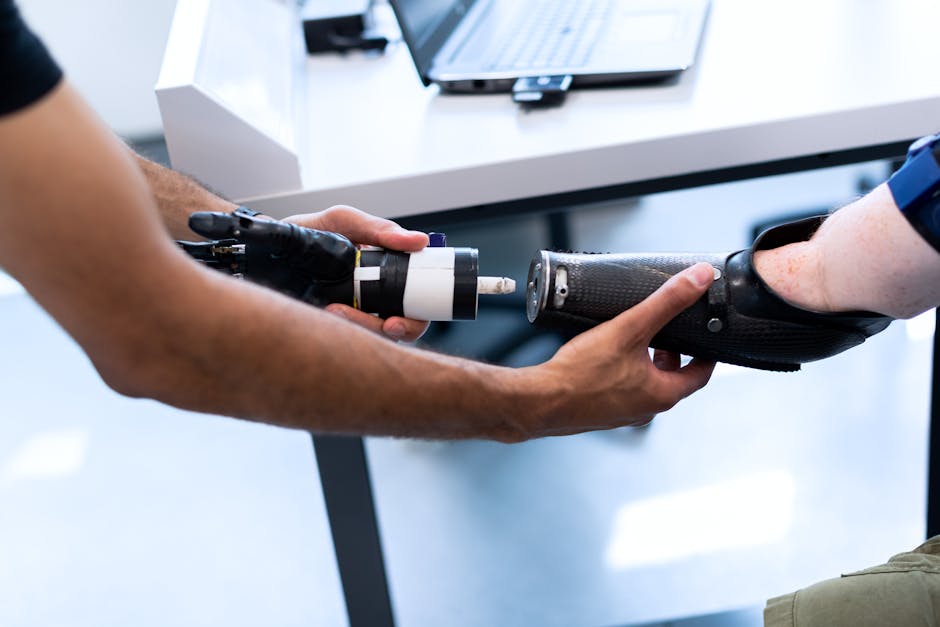
The landscape of healthcare, biopharma, and wellness is on the brink of a monumental transformation, according to Vi’s highly anticipated 2026 AI Report. This landmark publication is poised to redefine industry benchmarks, charting a course for unprecedented advancements driven by artificial intelligence. Moving beyond theoretical discussions, the report delves into actionable insights and projected outcomes, setting new performance standards across crucial sectors. It forecasts a future where AI not only optimizes existing processes but fundamentally reshapes patient care, drug development, and personal health management. This article will explore the core tenets of Vi’s vision, dissecting its profound implications and the strategic shifts expected to unfold in the coming years.
Understanding vi’s vision for AI in healthcare
Vi’s 2026 AI Report is not merely a collection of observations; it is a meticulously crafted strategic blueprint that outlines the immediate and long term trajectory of artificial intelligence within the healthcare ecosystem. At its core, Vi envisions AI as the central nervous system for a more proactive, personalized, and efficient healthcare system. This vision extends beyond simple automation, focusing instead on augmenting human capabilities through sophisticated algorithms capable of pattern recognition, predictive analytics, and real time decision support. The report emphasizes the integration of AI at every touchpoint, from administrative tasks and operational logistics to complex diagnostic procedures and treatment planning.
Vi highlights several key technological pillars supporting this vision. These include advancements in natural language processing (NLP) for sifting through vast amounts of unstructured clinical data, computer vision for enhanced medical imaging analysis, and machine learning models that continuously learn and adapt from patient outcomes. Furthermore, the report stresses the importance of explainable AI (XAI) to build trust among clinicians and patients, ensuring that AI driven recommendations are transparent and understandable. Vi’s strategy is built on a foundation of interoperability, advocating for robust data sharing frameworks and standardized protocols that allow diverse AI applications to communicate seamlessly. This holistic approach aims to unlock synergies that have previously been unattainable, leading to more accurate diagnoses, optimized resource allocation, and ultimately, improved patient experiences and outcomes on a global scale.
Revolutionizing biopharma: from discovery to personalized medicine
The biopharmaceutical industry stands to gain immensely from the paradigms outlined in Vi’s 2026 AI Report. Traditionally, drug discovery and development have been protracted, costly, and often fraught with high failure rates. Vi’s report projects that AI will fundamentally overhaul these processes, significantly accelerating the journey from target identification to market ready therapies. Predictive modeling driven by AI can analyze vast datasets of genetic, proteomic, and clinical information to identify novel drug targets with unprecedented precision, dramatically reducing early stage research time. Furthermore, AI powered virtual screening can rapidly evaluate millions of molecular compounds, identifying potential candidates that bind effectively to disease targets, a task that would take human researchers decades to complete.
Beyond discovery, AI is set to transform preclinical and clinical trial phases. Predictive analytics can identify patient populations most likely to respond to a particular treatment, leading to more focused and efficient trials with higher success rates. AI algorithms can also monitor trial participants for adverse events in real time, enhancing safety and allowing for quicker intervention. The ultimate frontier, as detailed by Vi, is the widespread adoption of personalized medicine. By integrating individual genomic data, lifestyle factors, and real world evidence, AI can tailor treatment regimens to each patient’s unique biological profile, moving away from a one size fits all approach. This not only improves efficacy but also minimizes side effects, heralding an era where therapies are as unique as the individuals they treat. The projected impact on development timelines and costs is substantial, as shown in the table below:
| Aspect of Drug Development | Traditional Methods (Average) | AI-Enhanced Methods (Projected by Vi’s 2026 Report) | Improvement |
|---|---|---|---|
| Drug Discovery Cycle (years) | 5-8 | 2-4 | 50-60% reduction |
| Clinical Trial Success Rate (%) | 10-12% | 18-25% | Significant increase |
| Cost of Drug Development (USD billions) | 2.6-3.5 | 1.5-2.0 | Up to 40% reduction |
| Time to Market (years) | 10-15 | 6-10 | 30-50% reduction |
Elevating wellness: predictive health and preventative care
Vi’s 2026 AI Report extends its transformative scope beyond traditional medical and pharmaceutical contexts into the burgeoning field of wellness and preventative care. The report posits that AI will democratize access to advanced health insights, empowering individuals to take a more proactive role in managing their own well being. This shift is largely driven by the proliferation of wearable devices, smart sensors, and digital health platforms that continuously collect vast amounts of personal health data. AI algorithms are adept at processing this influx of information, identifying subtle patterns and early indicators of potential health issues long before symptoms manifest.
Consider the impact on chronic disease management. AI can analyze trends in heart rate, sleep patterns, activity levels, and dietary intake to provide personalized risk assessments for conditions like diabetes, cardiovascular disease, or hypertension. This predictive capability enables timely interventions, recommending lifestyle adjustments, diet modifications, or early consultations with healthcare providers. Furthermore, AI powered virtual health coaches can offer tailored advice and motivational support, making preventative care a more engaging and accessible experience. From mental wellness applications that use AI to detect early signs of stress or anxiety, to personalized nutrition plans optimized by machine learning based on an individual’s microbiome, Vi foresees a future where preventative health is not merely an aspiration but a highly personalized and data driven reality. This proactive approach aims to reduce the burden on acute care services, improve overall population health, and significantly enhance quality of life by preventing diseases rather than merely treating them after they have taken hold.
The challenges and ethical considerations of AI adoption
While Vi’s 2026 AI Report paints an optimistic picture of innovation, it also soberly addresses the significant challenges and ethical considerations inherent in the widespread adoption of artificial intelligence within sensitive sectors like healthcare, biopharma, and wellness. One of the foremost concerns is data privacy and security. The deployment of AI systems relies heavily on access to vast quantities of personal health information, raising critical questions about how this data is collected, stored, shared, and protected from breaches. Ensuring robust cybersecurity measures and strict adherence to regulations like HIPAA and GDPR will be paramount.
Another major hurdle is regulatory compliance. The rapid pace of AI innovation often outstrips the development of regulatory frameworks, creating a complex environment for developers and practitioners. Vi emphasizes the need for agile regulatory bodies that can evaluate AI solutions effectively, ensuring their safety, efficacy, and fairness without stifling progress. Furthermore, the integration of AI into existing, often antiquated, IT infrastructures poses significant technical and operational challenges. Compatibility issues, data silos, and the need for seamless workflows demand substantial investment in infrastructure upgrades and interoperability standards. Finally, ethical considerations such as algorithmic bias, accountability for AI driven decisions, and the potential for job displacement require careful navigation. AI models, trained on historical data, can inadvertently perpetuate or even amplify existing biases, leading to unequal or unfair outcomes for certain demographic groups. Vi’s report advocates for rigorous testing, transparent algorithms, and continuous oversight to mitigate these risks, alongside comprehensive training programs to upskill the workforce and adapt to new roles in an AI augmented environment. Addressing these challenges proactively will be crucial for realizing the full, equitable potential of AI in these vital sectors.
Vi’s 2026 AI Report serves as a compelling roadmap, illustrating how artificial intelligence is poised to fundamentally redefine performance standards across healthcare, biopharma, and wellness. From dramatically accelerating drug discovery and personalizing therapeutic interventions to empowering individuals with predictive health insights and preventative care strategies, the report highlights a future brimming with potential. While significant challenges related to data privacy, regulatory frameworks, and ethical considerations demand careful attention, the transformative benefits projected by Vi are too profound to ignore. By embracing these advancements responsibly, industries can unlock unprecedented efficiencies, improve patient outcomes, and foster a healthier, more proactive global society. The report underscores that the age of AI in health is not merely approaching; it is here, and its impact will be nothing short of revolutionary.
Related posts
- Disney Plus is getting vertical video
- Salento’s Groundbreaking Audioability Tech for Online Information Debuts at CES
- CES 2026: all the news, gadgets, and innovations from the biggest tech show
- Virtual Reality for Seniors: Fostering Real-Life Social Connections
- Deutsche Bank: Coinbase’s Growth Potential Beyond Spot Crypto Trading
Image by: ThisIsEngineering
https://www.pexels.com/@thisisengineering