
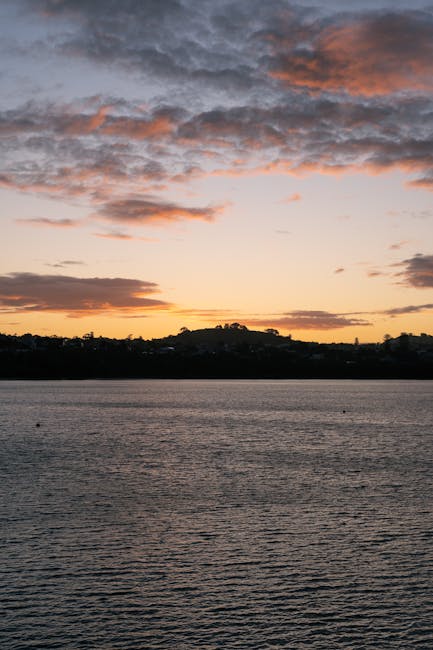
Woster Y2K Panic: Missouri River's Quiet Dawn
The turn of the millennium was a global spectacle, marked by both celebration and widespread apprehension. As December 31, 1999, approached, a pervasive fear known as the Y2K bug gripped the world, threatening to plunge digital systems into chaos. While much of the concern centered on global financial markets and communication networks, localized anxieties also ran high, particularly in regions dependent on critical infrastructure. One such place was the community of Woster, situated along the mighty Missouri River. Residents there harbored specific fears about how the impending digital rollover might impact the vital systems sustained by the river – from power generation to water management. This article delves into the specific Y2K panic that unfolded in Woster, exploring the preparations made, the nervous wait, and ultimately, the serene and uneventful dawn that greeted the new millennium along the Missouri River.
The Y2K Bug and localized anxieties
The Y2K problem, stemming from the archaic practice of representing years with only two digits (e.g., ’99’ for 1999), presented a genuine, albeit widely exaggerated, threat. The fear was that as clocks rolled from ’99’ to ’00’, computer systems would misinterpret the year as 1900 instead of 2000, leading to catastrophic malfunctions. This digital vulnerability wasn’t confined to abstract financial data or government databases; it extended to embedded systems controlling everything from power grids and transportation networks to manufacturing plants and water treatment facilities. In communities like Woster, nestled along the Missouri River, these global fears translated into very tangible local concerns. Residents worried about the automated controls of hydroelectric dams, the stability of water purification plants drawing from the river, and the uninterrupted supply of electricity powered by its currents. The river, a lifeline for commerce, agriculture, and daily living, became a focal point for their Y2K anxieties.
The Missouri river’s vital role and pre-Y2K preparations
The Missouri River is more than just a waterway; it’s the lifeblood of its surrounding communities. For Woster, its significance was manifold: providing potable water, supporting agricultural irrigation, facilitating navigation, and crucially, generating hydroelectric power. The prospect of Y2K-related failures in any of these areas was a significant concern. Local authorities, utility companies, and even individual households in Woster undertook diligent preparations. Power companies rigorously tested their generators and control systems, implementing software patches and establishing manual override protocols for critical equipment. Water treatment facilities along the river conducted extensive system audits, ensuring that their purification and distribution mechanisms would remain operational. Backup generators were fueled and tested, emergency communication lines were established, and public awareness campaigns advised residents on stockpiling essentials. The concerted effort reflected a community bracing itself, hoping for the best but preparing for potential disruptions that could severely impact their river-dependent way of life.
The quiet transition and the dawn of 2000
As the final hours of 1999 ticked away, the atmosphere in Woster, much like many other towns globally, was a mix of quiet anticipation and nervous vigilance. Families gathered, some with an eye on the clock and an ear listening for any unusual sounds. Emergency services were on high alert, and utility workers manned control rooms, ready to respond to any anomaly. Midnight arrived, marked by fireworks and cheers, but underneath the celebratory din, a collective breath was held. Yet, as the minutes turned into hours and the first light of January 1, 2000, began to illuminate the placid surface of the Missouri River, a profound sense of relief washed over the community. The feared chaos never materialized. Lights stayed on, water continued to flow, and critical river infrastructure hummed along as usual. The Missouri River, a symbol of consistent flow and enduring strength, had indeed witnessed a quiet, uneventful dawn, its systems largely unaffected by the predicted digital apocalypse.
The following table illustrates a comparison of pre-Y2K fears versus the actual outcomes observed in Woster:
| Critical System | Pre-Y2K Fear (Woster) | Y2K Preparedness | Actual Outcome (Jan 1, 2000) |
|---|---|---|---|
| Hydroelectric Dams | Widespread power outages, dam malfunction, flood risk. | Extensive system upgrades, software patching, manual control standby, redundant power sources. | No issues; stable power generation and uninterrupted flood control. |
| Water Treatment | Contaminated water, loss of public water supply. | Generator backups, manual override drills, chemical supply checks, system audits. | Uninterrupted clean water supply. |
| Communications | Loss of phone/internet, emergency service failures. | Redundant lines, satellite phones for key personnel, radio system checks. | Minor, isolated glitches quickly resolved; overall stable communication. |
| River Navigation | Lock/dam failures, halts in river transport. | Manual operation protocols, increased staffing, constant communication checks with barges. | Normal river traffic and operations. |
Lessons learned from the Woster Y2K experience
The “Woster Y2K Panic” and its quiet resolution offer invaluable lessons that resonate even today. Firstly, it underscored the critical importance of robust infrastructure and diligent, proactive maintenance. The extensive efforts made by IT professionals and infrastructure managers worldwide, including those protecting Woster’s vital systems, were undeniably instrumental in preventing widespread failures. This highlights the ongoing need for investment in resilient systems and cybersecurity. Secondly, the event served as a powerful case study in the psychology of mass panic versus actual risk. While the Y2K threat was real to some extent, the scale of fear often far outstripped the actual potential for catastrophe, demonstrating how easily communities can be swayed by speculation and uncertainty. Finally, Woster’s experience reaffirmed the strength of community preparedness and collaboration. The coordinated efforts between local government, utilities, and citizens fostered a sense of readiness and resilience, proving that collective action can effectively mitigate perceived threats and manage real ones. The Y2K non-event wasn’t a sign that the threat was never real, but rather a testament to successful global and local preventative measures.
The Woster Y2K Panic, culminating in the Missouri River’s quiet dawn, stands as a compelling local narrative within a global phenomenon. It illustrates how the abstract threat of a digital bug translated into very real, tangible fears for a community deeply reliant on its natural resources and critical infrastructure. The comprehensive preparations, from rigorous system testing in power plants to emergency drills in water treatment facilities, demonstrated a proactive approach to potential crisis. Ultimately, the transition into the year 2000 was marked not by the feared chaos, but by an uneventful calm, a testament to the dedicated efforts of countless individuals and the inherent resilience of both technology and community. The lessons from Woster – emphasizing preparedness, critical infrastructure investment, and the ability to differentiate between genuine threats and exaggerated fears – remain profoundly relevant. It reminds us that while vigilance is necessary, measured responses and diligent work can often avert anticipated disasters, allowing for a peaceful and undisturbed dawn even in the face of widespread uncertainty.
No related posts
Image by: Gaurav Kumar
https://www.pexels.com/@gaurav-kumar-1281378