

Bridging the Digital Divide: How Internet Access Impacts Health Equity

Bridging the Digital Divide: How Internet Access Impacts Health Equity
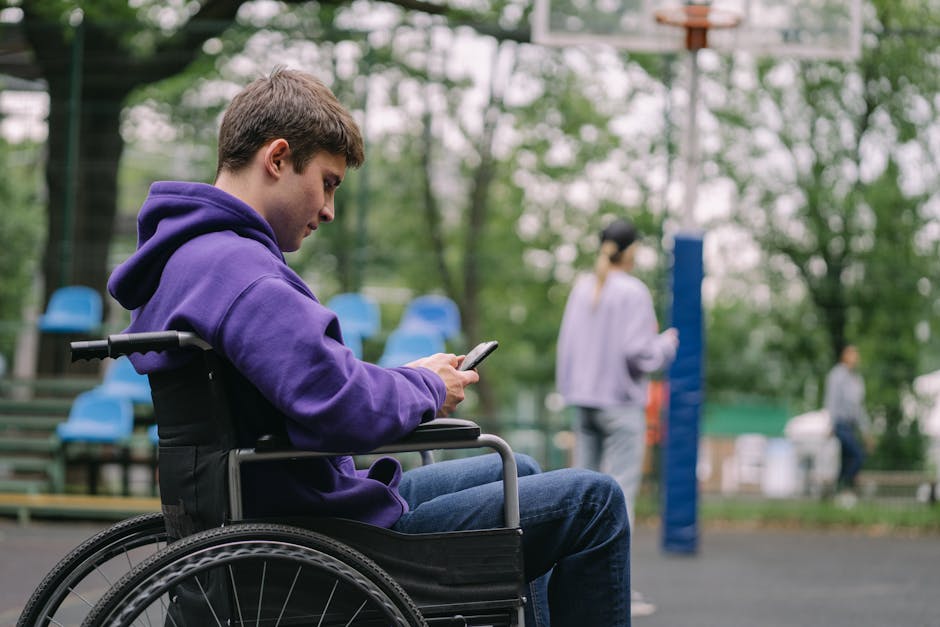
In our increasingly interconnected world, reliable internet access has transcended mere convenience to become a fundamental necessity, profoundly influencing various aspects of life, including health. The concept of the “digital divide” – the gap between those who have access to modern information and communication technology and those who don’t – directly impacts health equity, creating significant disparities in health outcomes. This article delves into the critical relationship between internet connectivity and health, exploring how the absence or presence of digital access shapes individuals’ abilities to manage their health, access vital medical services, and acquire crucial health information. Understanding this intricate link is paramount to developing strategies that ensure everyone, regardless of their socioeconomic status or geographic location, has an equal opportunity for good health in the digital age.
The digital divide as a health determinant
The lack of consistent, affordable internet access is no longer just an economic or educational barrier; it has become a significant social determinant of health. For communities on the wrong side of the digital divide, particularly those in rural areas, low-income urban neighborhoods, and certain minority groups, essential health resources remain out of reach. This disparity manifests in several ways. Without internet, individuals struggle to schedule medical appointments online, access patient portals for test results and prescription refills, or even research symptoms before a doctor’s visit. This can lead to delays in care, misinformed health decisions, and an overall reduced capacity for proactive health management. The foundational ability to navigate the modern healthcare landscape is now intrinsically linked to digital access, making the divide a tangible barrier to equitable health outcomes.
Telemedicine and remote care: a lifeline in the digital age
The COVID-19 pandemic starkly illuminated the indispensable role of telemedicine and remote care, transforming it from a niche service into a crucial component of healthcare delivery. Telemedicine offers a vital pathway for individuals to consult with doctors, therapists, and specialists from the comfort of their homes, eliminating barriers like transportation costs, time off work, and geographical distance. For those with chronic conditions, regular virtual check-ups can significantly improve disease management and prevent complications. However, this lifeline is largely inaccessible to the digitally disenfranchised. Without stable broadband, a suitable device, or the digital literacy to navigate platforms, millions are excluded from these advanced care models. This creates a two-tiered health system where those with internet access benefit from convenient, continuous care, while others face compounded challenges in accessing timely medical attention.
Health information, education, and digital literacy
Beyond direct medical appointments, the internet serves as an unparalleled repository of health information and educational resources. From understanding disease prevention strategies to learning about specific conditions, managing dietary needs, or finding support groups, online platforms empower individuals to become more informed advocates for their own health. Public health campaigns, health literacy initiatives, and reliable medical websites provide invaluable guidance that can influence healthier lifestyle choices and adherence to treatment plans. However, merely having access to the internet isn’t enough; digital literacy – the ability to find, evaluate, and apply online health information effectively – is equally crucial. Those lacking these skills are susceptible to misinformation or unable to locate credible sources, further widening the knowledge gap and impacting their ability to make informed health decisions. The following table illustrates the disparity in internet adoption across different demographic groups in the US, highlighting the uneven playing field:
| Demographic Group | Households with Broadband Internet Access (2021) |
|---|---|
| High-Income Households (>$75,000) | 95% |
| 70% | |
| Urban Areas | 87% |
| Rural Areas | 77% |
| Adults 65+ | 73% |
| Adults 18-29 | 97% |
Source: Pew Research Center, U.S. Census Bureau (approximated data for illustrative purposes)
Policy interventions and community-led solutions
Addressing the digital divide for health equity requires a multi-faceted approach involving robust policy interventions and collaborative community-led solutions. Governments must prioritize investment in broadband infrastructure, especially in underserved rural and urban areas, ensuring affordability and reliability for all citizens. Programs offering subsidies for internet services and devices can help bridge the financial gap. Beyond infrastructure, initiatives focused on digital literacy training are crucial. Libraries, community centers, and non-profit organizations can play a pivotal role in providing free access to computers and internet, along with hands-on education in navigating online health resources, using telehealth platforms, and identifying credible information. Collaborative efforts between healthcare providers, public health agencies, and technology companies can develop user-friendly digital health tools tailored to diverse populations, ensuring that technological advancements benefit everyone equally, not just the privileged.
The journey towards true health equity in the 21st century is inextricably linked to bridging the digital divide. As this article has explored, reliable internet access is no longer a luxury but a fundamental determinant of health, influencing everything from access to telemedicine and vital health information to the ability to manage chronic conditions effectively. The disparity in internet connectivity creates a significant barrier for countless individuals, exacerbating existing health inequalities and preventing many from achieving optimal well-being. By prioritizing investments in broadband infrastructure, implementing digital literacy programs, and fostering collaborative community solutions, we can dismantle these barriers. Ensuring that every person has equitable access to the digital world is not just about technological advancement; it is a critical step towards building a healthier, more equitable future where everyone has the opportunity to thrive.
Related posts
- TIER IV & JR Central Alliance: Fueling Regional Growth with Autonomous Rail
- AI Transforms Minnesota Colleges: A New Era in Higher Education
- Bertie County’s Digital Divide: Commissioners Approve New Inclusion Plan
- AI Spending Drives Business Investment While Manufacturing Struggles: An Economic Divide
- Nebraska’s $350 Million Broadband Rejection: Impact on Connectivity
Image by: SHVETS production
https://www.pexels.com/@shvets-production