
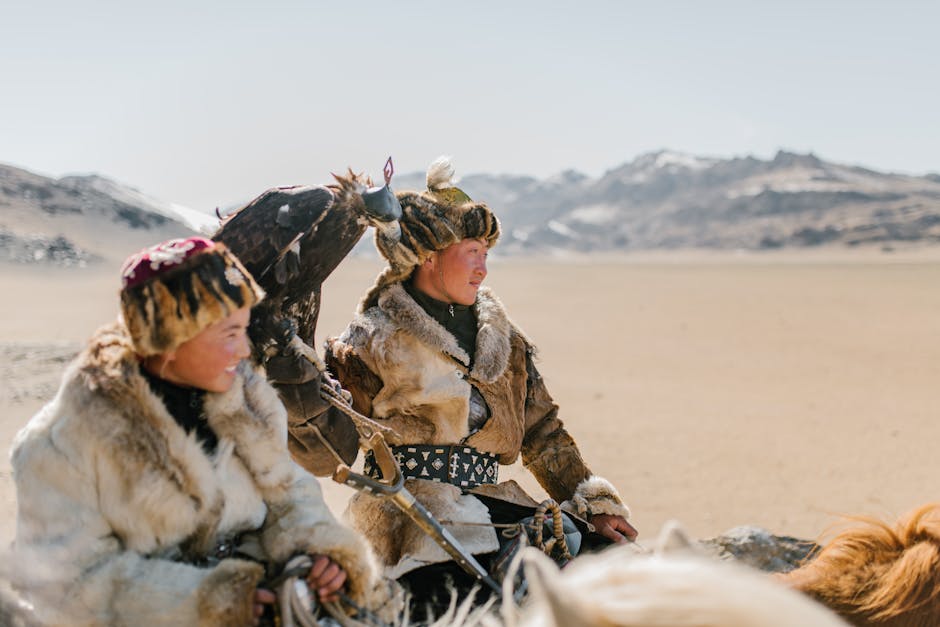
Trail Cameras Are Not A Shortcut: The True Value of Hunter Effort and Experience
In the evolving landscape of modern hunting, technology often plays an undeniable role. Among the most prevalent tools to emerge in recent decades are trail cameras. These devices, capable of capturing images and videos of wildlife around the clock, have become a staple for many hunters, offering a glimpse into the unseen movements of game. However, a critical distinction must be made: while incredibly useful for reconnaissance, trail cameras are not a substitute for the fundamental skills, arduous effort, and deep experience that define true hunting prowess. This article will delve into the profound difference between relying on technology and cultivating the inherent knowledge and woodsmanship essential for consistent success and, more importantly, a fulfilling hunting experience.
The allure of the camera and its limitations
Trail cameras offer undeniable advantages. They provide an inventory of game in a specific area, help identify patterns of movement, and can confirm the presence of target animals, particularly elusive mature bucks or bulls. For many, the ability to “scout” an area remotely, seeing what happens when they are not physically present, feels like a significant shortcut to understanding game behavior. They can help discern travel corridors, feeding times, and the general health of a local population without constant human disturbance.
However, this allure can be deceptive. A camera only shows a snapshot; it does not explain why an animal chose a particular path, what its scent cone was, or how it reacted to subtle changes in wind or pressure. It cannot teach a hunter how to move silently through the woods, how to read nuanced sign, or how to react instinctively when a target animal appears unexpectedly. Over-reliance on cameras can foster a passive approach, diminishing the active learning process that occurs through direct observation and repeated interaction with the natural environment.
The foundation: Woodsmanship and fieldcraft
Long before trail cameras, hunters honed their craft through countless hours in the field, developing an intricate understanding of their quarry and its habitat. This foundation, often referred to as woodsmanship and fieldcraft, encompasses a broad array of invaluable skills. It involves the ability to track animals by subtle signs—a broken twig, a disturbed leaf litter, a faint print. It means understanding the impact of wind direction and thermals on scent dispersal, and knowing how to navigate terrain silently and efficiently.
Moreover, true woodsmanship extends to interpreting animal behavior firsthand: recognizing alarm calls, understanding rutting rituals, and identifying prime bedding and feeding areas. These skills are not learned from an SD card; they are forged through direct experience, observation, and sometimes, repeated failure. A hunter who possesses strong fieldcraft can adapt to new environments, changing conditions, and unexpected challenges, making them effective far beyond the range of any camera lens.
Developing experience: The long game
Hunting success, in its truest form, is less about immediate gratification and more about a journey of continuous learning. Experience is not merely the accumulation of successful harvests; it is the sum total of every hour spent in the woods, every stalk, every blown opportunity, and every quiet moment of observation. This long game develops intuition—that gut feeling about where an animal might be, or which stand might be best on a given day—which can only be cultivated through repeated exposure and reflection.
An experienced hunter learns from every encounter, whether good or bad. They understand the subtle shifts in animal patterns due to pressure, weather, or seasonal changes. They develop the patience to wait, the discipline to pass on a marginal shot, and the resilience to keep going when things are tough. These are personal attributes developed over seasons and years, forming the bedrock of a hunter’s character and competence, far surpassing what any piece of technology can provide.
Trail cameras as a tool, not a crutch
The key to integrating trail cameras effectively lies in viewing them as a supplementary tool, rather than a primary strategy or shortcut. When used judiciously, cameras can enhance a hunter’s overall scouting efforts, confirming patterns observed during traditional scouting, or monitoring areas that are difficult to access frequently. They can save time by eliminating unproductive areas and help identify peak activity times. However, they should never replace the boots-on-the-ground effort required to truly learn a piece of land and its inhabitants.
Consider the difference in skill development and information quality between relying solely on cameras versus a balanced approach. The following table illustrates this distinction:
| Aspect | Heavy Camera Reliance | Balanced Approach (Cameras + Effort) |
|---|---|---|
| Scouting Method | Mainly remote image review | Extensive physical scouting, tracking, observation; cameras confirm/supplement |
| Information Depth | What (animal presence), When (time of day) | What, When, Where, Why (behavioral context, sign interpretation, wind effects) |
| Skill Development | Minimal woodsmanship, limited fieldcraft | Enhanced tracking, sign reading, scent control, stalking, patience |
| Adaptability | Limited to camera data; less flexible in dynamic situations | High; able to adapt to changing conditions and new environments |
| Personal Connection | More detached, data-driven | Deep connection to the land and wildlife, profound understanding |
By using cameras to augment, rather than replace, traditional scouting and experiential learning, hunters can maximize their utility without undermining the true value of their own effort and experience.
In conclusion, while trail cameras have undoubtedly reshaped certain aspects of modern hunting, it is crucial to recognize that they are merely tools—powerful ones, perhaps, but tools nonetheless. They offer invaluable insights into game activity, yet they cannot instill the profound woodsmanship, the intuitive fieldcraft, or the hard-earned experience that truly defines a skilled hunter. True hunting prowess is cultivated through countless hours spent in nature, learning its rhythms, understanding animal behavior firsthand, and adapting to ever-changing conditions. Embracing the effort, the patience, and the continuous learning journey inherent in hunting not only leads to more consistent success but also fosters a deeper, more meaningful connection to the wild. Let us use technology wisely, but never forget that the most valuable assets a hunter possesses are their own two feet, sharp senses, and an unyielding dedication to the craft.
No related posts
Image by: Julia Volk
https://www.pexels.com/@julia-volk