

7 Toxic Treats: Foods to Never Feed Your Garden Birds

7 Toxic Treats: Foods to Never Feed Your Garden Birds
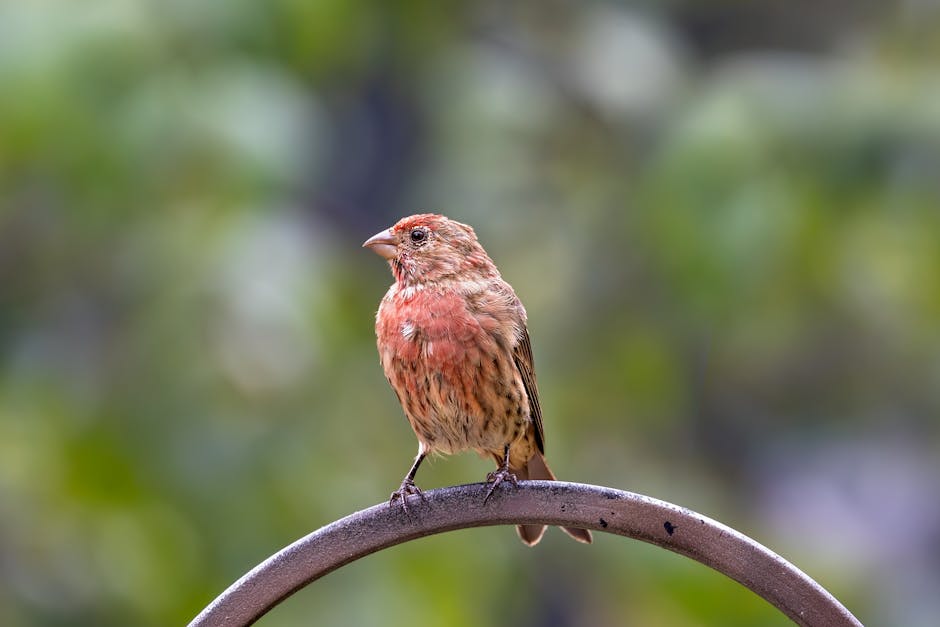
The joy of attracting vibrant garden birds to your backyard is undeniable. Watching their intricate behaviors, listening to their melodious calls, and providing them with sustenance can be a deeply rewarding experience. Many of us, with the best intentions, want to offer these feathered visitors a little treat from our own kitchens. However, what seems like a harmless gesture can, in reality, pose significant health risks, or even prove fatal, to our avian friends. Birds have vastly different digestive systems and nutritional requirements than humans, making many common household foods highly toxic or nutritionally devoid. This article will shine a light on 7 specific foods you should never offer to your garden birds, ensuring your feeding efforts truly benefit these cherished creatures.
The insidious dangers of human favorites: specific compounds to avoid
When considering what to feed birds, it’s crucial to understand that even foods perceived as “healthy” for humans can harbor dangerous compounds for our avian counterparts. The first category of toxic treats falls under this deceptive umbrella.
- Avocado: This popular fruit contains a fungicidal toxin called persin in its leaves, skin, pit, and even the fruit itself. While generally harmless to humans, persin is cardiotoxic to many bird species, meaning it can damage their heart muscle. Symptoms can range from weakness and lethargy to respiratory distress and sudden death, sometimes hours or days after ingestion. It’s a risk simply not worth taking.
- Chocolate and caffeine: Few things are as comforting to humans as a piece of chocolate or a warm cup of coffee, but these are absolute no-gos for birds. Chocolate contains theobromine, a stimulant related to caffeine, which birds are highly sensitive to. Caffeine itself, found in coffee, tea, and energy drinks, acts as a potent stimulant for birds. Both can lead to hyperactivity, tremors, increased heart rate, cardiac arrhythmias, seizures, and potentially fatal cardiac arrest. Even small amounts can be devastating.
- Apple seeds and fruit pits: While the fleshy part of apples is safe for birds in moderation, the seeds are not. Apple seeds, along with the pits of cherries, peaches, apricots, and pears, contain amygdalin, a compound that releases cyanide when digested. While a single seed might not kill a large bird, consistent exposure or ingestion of multiple seeds can lead to respiratory failure, coma, and death. It’s always best to remove seeds and pits before offering any fruit.
Everyday pantry staples that are surprisingly harmful
Beyond specific toxins, many common items in our kitchens present dietary dangers due to their composition or processing. These foods lack appropriate nutritional value or contain harmful levels of certain substances.
- Onion and garlic: These culinary staples, belonging to the Allium genus, contain organosulfur compounds, specifically thiosulphates. These compounds can cause hemolytic anemia in birds, a condition where red blood cells are damaged and destroyed, leading to weakness, lethargy, and potentially death. Whether raw, cooked, or powdered, onion and garlic in any form should be kept far away from bird feeders.
- Salty foods: Think about common human snacks like potato chips, pretzels, salted nuts, or even overly salty bread. Birds have a very limited ability to process high levels of sodium. Excess salt can quickly lead to severe dehydration, kidney dysfunction, and neurological problems. Symptoms might include excessive thirst, weakness, disorientation, and even paralysis. Always opt for unsalted alternatives if offering seeds or nuts that are safe for birds.
- Processed baked goods: Donuts, cookies, cakes, pastries, and white bread might seem like an easy snack, but they offer little to no nutritional benefit for birds. They are typically high in refined sugars, unhealthy trans fats, and artificial ingredients. These empty calories can lead to avian obesity, liver problems, and deficiencies in essential nutrients. Furthermore, the sugar can ferment in their crops, leading to infections. Birds need complex carbohydrates, natural fats, and proteins, not sugary processed treats.
| Toxic food | Harmful component | Potential effect on birds |
|---|---|---|
| Avocado | Persin | Cardiotoxicity, respiratory distress |
| Chocolate | Theobromine | Cardiac issues, hyperactivity, seizures |
| Caffeine | Xanthines | Arrhythmia, tremors, death |
| Salty foods | Excess sodium | Dehydration, kidney failure, neurological issues |
| Baked goods | Sugar, unhealthy fats | Obesity, liver disease, nutritional deficiency |
| Apple seeds / fruit pits | Cyanide (from amygdalin) | Respiratory failure, death |
| Onion and garlic | Thiosulphates | Hemolytic anemia |
What to offer instead: nurturing your feathered friends responsibly
Understanding what not to feed birds is only half the equation. The other half involves providing them with safe, nutritious options that genuinely support their health and survival. Instead of reaching for kitchen scraps, consider investing in high-quality bird seed mixes tailored to local species, or individual components known to be beneficial.
- Black oil sunflower seeds: High in fat and protein, these are a favorite for many species.
- Nyjer seed: Ideal for finches, high in oil.
- Suet: Especially valuable in winter for its high fat content, providing much-needed energy.
- Mealworms: A great source of protein, appreciated by insectivorous birds.
- Clean water: Essential for drinking and bathing year-round.
Always ensure your feeders are clean to prevent the spread of disease, and provide fresh food in appropriate quantities to avoid spoilage. By making informed choices, you can turn your garden into a truly safe and nourishing haven for your avian visitors.
Our journey through the world of bird feeding has unveiled a critical truth: not all human foods are suitable for our feathered friends. We’ve explored seven common household items, including avocado, chocolate, caffeine, apple seeds and fruit pits, onion and garlic, salty snacks, and processed baked goods, each posing unique and severe health risks due to specific toxins or harmful nutritional profiles. The intention behind sharing food with garden birds is almost always pure, driven by a desire to help, yet without proper knowledge, these well-meaning gestures can inadvertently cause suffering or even fatality. The delicate digestive systems and specific dietary needs of birds demand a careful and informed approach. By committing to providing only species-appropriate foods, such as high-quality seeds, suet, and fresh water, we ensure our backyards remain safe, healthy, and genuinely supportive environments for the vibrant birdlife we cherish. Your vigilance and informed choices are the best gift you can offer your garden visitors.
No related posts
Image by: Mohan Nannapaneni
https://www.pexels.com/@mnannapaneni